Arizona HB 4001 introduces a structural shift in the regulation of alternative nicotine products, moving state oversight beyond retail enforcement into a broader licensing and supply-chain framework that will take effect in 2028. The law establishes new compliance expectations for manufacturers and distributors under the Arizona Department of Liquor Licenses and Control (DLLC). It also tightens packaging standards and reinforces youth access prevention measures, while introducing no new excise tax.
Table of Contents
Key Takeaways
- Arizona has enacted HB 4001, establishing a new regulatory framework for alternative nicotine products.
- Manufacturers and distributors will require a DLLC-issued license starting in 2028.
- Packaging and product designs that may appeal to minors are prohibited.
- The law strengthens age-verification enforcement and penalties for underage sales.
- No new excise tax is introduced on vaping or alternative nicotine products.
- The regulation expands upstream supply-chain oversight across manufacturers and distributors.
Arizona HB 4001 Overview
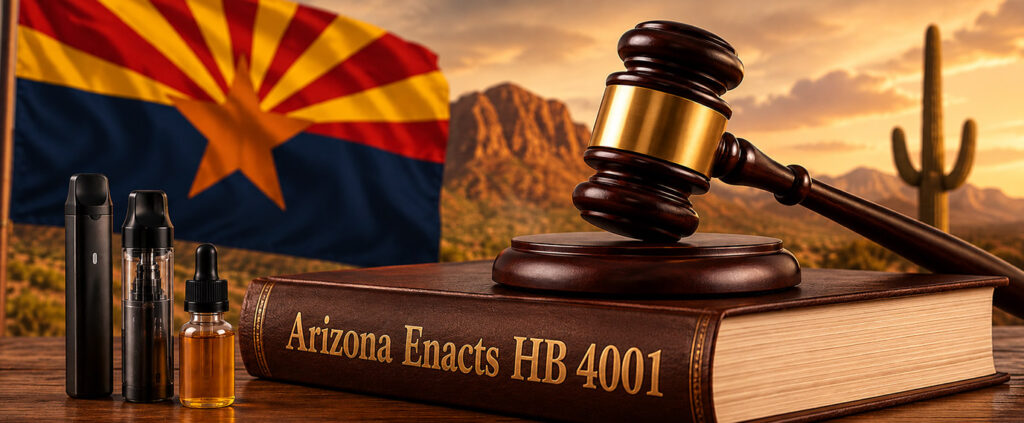
HB 4001 has been enacted, expanding Arizona’s regulation of alternative nicotine products beyond retail enforcement to include licensing, packaging, and supply chain oversight.
According to AZ Free News and AZ Capitol Times cited by 2Firsts, the law introduces a comprehensive multi-layer regulatory framework covering manufacturing, distribution, retail sales, and age verification.
The bill was signed by Governor Katie Hobbs and is recorded as Chapter 124 of Arizona’s 2026 session laws.
The policy marks a shift from retail-only enforcement to broader regulation of alternative nicotine products across the supply chain.
Definition of Alternative Nicotine Products
Under HB 4001, alternative nicotine products are defined as non-combustible nicotine-containing products intended for human consumption.
These products include those consumed through chewing, absorption, dissolution, ingestion, or inhalation.
This definition places a wide range of nicotine product formats under a unified regulatory category.
Licensing Requirements Begin in 2028

One of the most significant provisions of HB 4001 is the introduction of a mandatory licensing system for manufacturers and distributors.
Beginning in 2028, companies must obtain a license from the Arizona Department of Liquor Licenses and Control (DLLC) in order to legally manufacture or distribute alternative nicotine products in the state.
This provision extends regulatory oversight upstream to include manufacturers and distributors, formalizing market entry requirements.
Unlicensed distribution of alternative nicotine products may result in a Class 5 felony, a mandatory $10,000 fine, a one-year prohibition on selling or distributing alternative nicotine products, and any other punishment deemed appropriate by a court.
Packaging and Marketing Restrictions
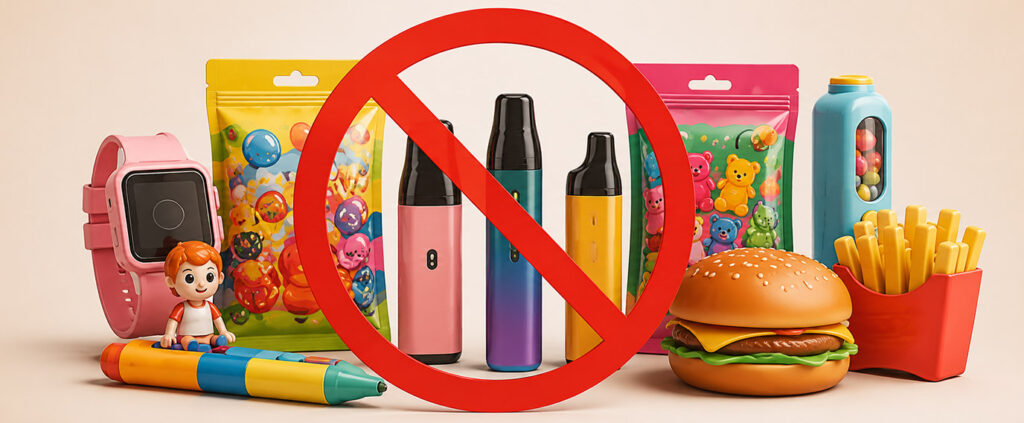
HB 4001 prohibits packaging, appearance, or product designs that may appeal to individuals under the legal purchasing age.
Prohibited elements include:
- Cartoon-style characters
- Imitation of trademarks or trade dress of products primarily marketed to minors
- Youth-oriented symbols
- Celebrity names or likenesses
- Packaging that resembles toys, food, beverages, cosmetics, smartphones, video-game devices, or school supplies
The provision is aimed at products that use toy-like, food-like, or electronics-style designs that may appeal to younger consumers.
It specifically prohibits product designs that disguise the appearance of nicotine products, making them resemble everyday consumer goods.
Violations of these packaging and marketing restrictions may be treated as a Class 3 misdemeanor under Arizona law.
Age Verification and Enforcement
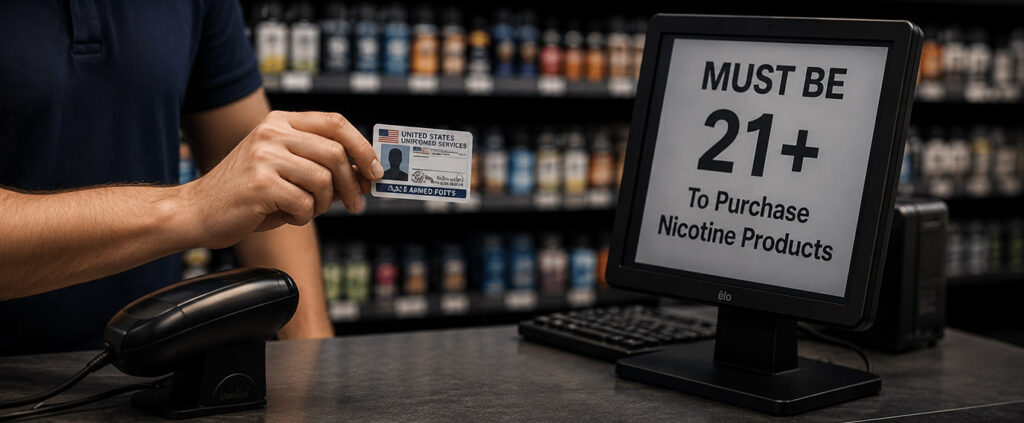
The law strengthens age-verification requirements and establishes a tiered enforcement system for underage sales violations.
Arizona currently prohibits the sale of nicotine products to individuals under 21, with an exemption for active-duty military personnel aged 18 and above.
Arizona maintains a 21+ minimum age requirement for nicotine products. This reflects existing state law aligned with federal Tobacco 21 standards, rather than a change introduced by HB 4001.
Penalties include:
First offense
- $500–$750 fine
- Mandatory completion of a court-approved tobacco retailer education program
Repeat offenses
- Higher fines
- Extended prohibition on selling alternative nicotine products
- Mandatory education requirements
- Up to $10,000 fine and prohibition of up to one year in severe cases
- Possible criminal charges up to Class 5 felony for repeated violations
Taxation Status
Although taxation was a major topic during legislative discussions, HB 4001 does not introduce a new excise tax on vaping products or alternative nicotine products.
Arizona currently imposes a $2 per pack cigarette tax, while vaping products and alternative nicotine products are not subject to an equivalent tax structure.
A previously proposed 50% retail tax on vaping products was estimated to generate $45.5M–$64.4M annually but did not advance in legislative hearings.
Tobacco-tax-funded program revenues in Arizona have declined significantly, falling from approximately $164.8M (FY2008) to $88.6M (FY2025), contributing to broader fiscal pressure discussions around tobacco-related taxation policy.
However, some public health advocates argue that the absence of vape taxation limits the bill’s effectiveness in reducing youth access.
What’s Next for the Industry
HB 4001 represents a structural shift in Arizona’s regulatory approach toward alternative nicotine products, moving beyond age-restriction enforcement toward a more comprehensive licensing and supply-chain oversight framework.
Key compliance areas include:
- Licensing compliance (2028 rollout)
- Packaging and product design compliance under new restrictions
- Strengthened retail oversight and age-verification enforcement
- Supply-chain accountability through state licensing requirements
For manufacturers, distributors, and retailers, compliance obligations will extend beyond retail operations to include upstream licensing and product-level regulatory alignment.
Industry participants are expected to closely monitor guidance issued by the Arizona Department of Liquor Licenses and Control (DLLC), particularly regarding licensing procedures, fees, compliance standards, and enforcement mechanisms ahead of the 2028 implementation timeline.
The bill was introduced by Republican Representative Jeff Weninger and reflects bipartisan and industry-supported compromise efforts to regulate the nicotine market while targeting illicit imports.
Overall, HB 4001 reflects a broader U.S. trend toward supply-chain-based nicotine regulation, emphasizing traceability, illicit product control, and upstream compliance enforcement.
Frequently Asked Questions
Q1: When Does Arizona HB 4001 Take Effect?
Licensing requirements begin in 2028 for manufacturers and distributors.
Q2: Who Needs a DLLC License under HB 4001?
All manufacturers and distributors of alternative nicotine products operating in Arizona.
Q3: Does HB 4001 Ban Vaping Products?
No, it regulates but does not ban them.
Q4: What Packaging Is Prohibited?
Toy-like, food-like, electronics-style or youth-appealing designs.
Q5: Who Enforces the Law?
Arizona Department of Liquor Licenses and Control (DLLC).
Conclusion
Arizona HB 4001 represents a major structural shift toward comprehensive nicotine supply chain regulation, expanding oversight beyond retail enforcement to include manufacturing, distribution, packaging, and product design controls.
This reflects a broader U.S. regulatory trend toward supply-chain-based nicotine regulation, emphasizing product traceability, illicit-product control, and upstream compliance enforcement.