For anyone new to cannabinoids—especially those entering through vaping products—the terms sativa, indica, and hybrid can feel both essential and confusing. These labels appear on nearly every product, often presented as a simple guide to expected effects. Sativa is commonly described as energizing, indica as relaxing, and hybrid as a balanced middle ground. While these generalizations are not entirely inaccurate, they can be misleading when taken at face value.
In reality, many first-time users rely too heavily on these categories and overlook the deeper factors that shape their experience. This often leads to mismatched expectations, such as using a product labeled sativa and feeling unexpectedly anxious, or choosing an indica product during the day and becoming overly sedated. As cannabinoid products continue to evolve—particularly in the vape market—understanding these distinctions requires a more nuanced approach.
This guide aims to clarify what sativa, indica, and hybrid actually represent, explain what truly determines your experience, and provide practical guidance on choosing the right type for your personal needs and context.
What Truly Determines Cannabinoids’ Effects?
(1) Cannabinoids and Their Roles
To understand how cannabinoids affect the body, it is essential to begin with cannabinoids, the active chemical compounds that interact with the body’s endocannabinoid system. Among these, THC and CBD are the most prominent and widely studied.
THC, or tetrahydrocannabinol, is primarily responsible for the psychoactive effects associated with cannabinoids. It can induce euphoria, heightened sensory perception, and changes in mood or cognition. However, its effects are dose-dependent, and higher concentrations may lead to discomfort, including anxiety or restlessness, particularly in inexperienced users.
CBD, or cannabidiol, does not produce intoxicating effects. Instead, it is often associated with a sense of calm, reduced stress, and overall balance. In many formulations, CBD serves to moderate or soften the intensity of THC, resulting in a more controlled and manageable experience.
What becomes clear is that the ratio of THC to CBD is one of the most important determinants of how a product will feel. This ratio often matters more than whether a product is labeled sativa or indica.
(2) The Influence of Terpenes
Beyond cannabinoids, terpenes play a crucial yet frequently underestimated role in shaping cannabinoids’ effects. Terpenes are aromatic compounds found not only in cannabinoids but also in many other plants, contributing to their distinct scents and flavors. More importantly, they interact with cannabinoids in ways that can influence the overall experience.
For example, limonene is often associated with uplifting and mood-enhancing effects, while myrcene is commonly linked to relaxation and sedation. Pinene, another well-known terpene, may promote alertness and mental clarity. These compounds help explain why two products with similar THC levels can produce noticeably different effects.
As a result, terpene profiles often provide a more accurate indicator of how a product may feel than the traditional sativa or indica classification alone.
(3) A Note on Classification
Although sativa, indica, and hybrid remain widely used, it is important to recognize that these categories are not scientifically precise indicators of effect. Modern cannabinoids have been extensively crossbred, resulting in a vast range of hybridized strains. Pure sativa or indica varieties are increasingly rare, particularly in commercial products.
Therefore, these labels should be understood as general guidelines rooted in historical classification rather than strict predictors of outcome. They remain useful, especially for beginners, but should always be considered alongside cannabinoid content and terpene composition.
Understanding Sativa, Indica, and Hybrid
(1) Sativa: An Uplifting and Cerebral Experience
Sativa strains have long been associated with stimulating, mentally engaging effects, often described as producing a “head high”. They tend to emphasize cognitive and emotional changes rather than physical sensations. Users frequently report increased energy, enhanced creativity, and a greater inclination toward social interaction.
Because of these characteristics, sativa products are commonly recommended for daytime use. They are often chosen for activities that benefit from alertness and engagement, such as creative work, social gatherings, or outdoor exploration. For individuals seeking a mood lift or motivation, sativa may be a suitable starting point.
However, it is important to approach high-THC sativa products with caution, particularly for beginners. The same stimulating qualities that make them appealing can also contribute to feelings of anxiety or overstimulation in sensitive individuals. Starting with lower doses and balanced formulations can help mitigate these risks.
(2) Indica: A Relaxing and Body-Focused Experience
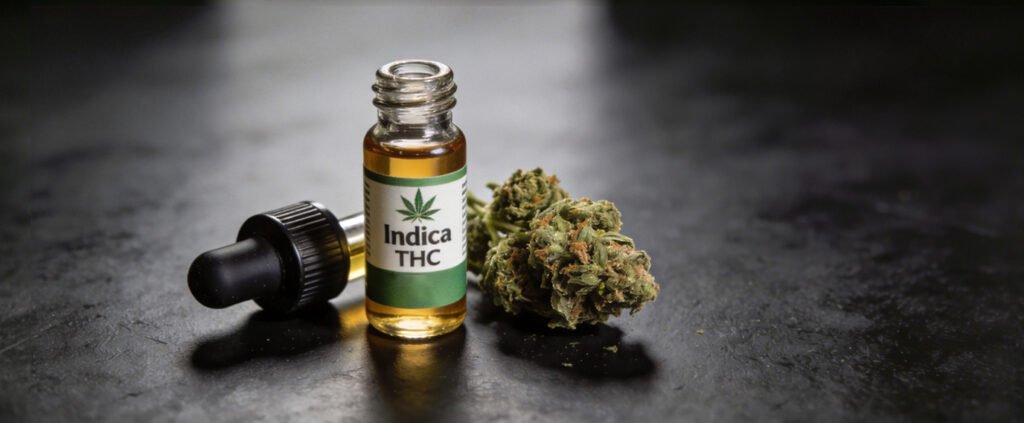
In contrast to sativa, indica strains are typically associated with physical relaxation and calming effects, often described as producing a “body high”. They tend to emphasize sensations such as muscle relaxation, the release of tension, and overall physical ease.
These qualities make indica products particularly well-suited for evening or nighttime use. They are commonly chosen by individuals looking to unwind after a long day, reduce stress, or prepare for sleep. For those experiencing physical discomfort or restlessness, indica may offer a more grounding, soothing experience.
That said, the sedative nature of some indica products can also be a drawback in certain contexts. Using them during the day may lead to decreased motivation or a sense of sluggishness. As with all cannabinoid products, the intensity of these effects depends on dosage, formulation, and individual tolerance.
(3) Hybrid: A Flexible and Balanced Option
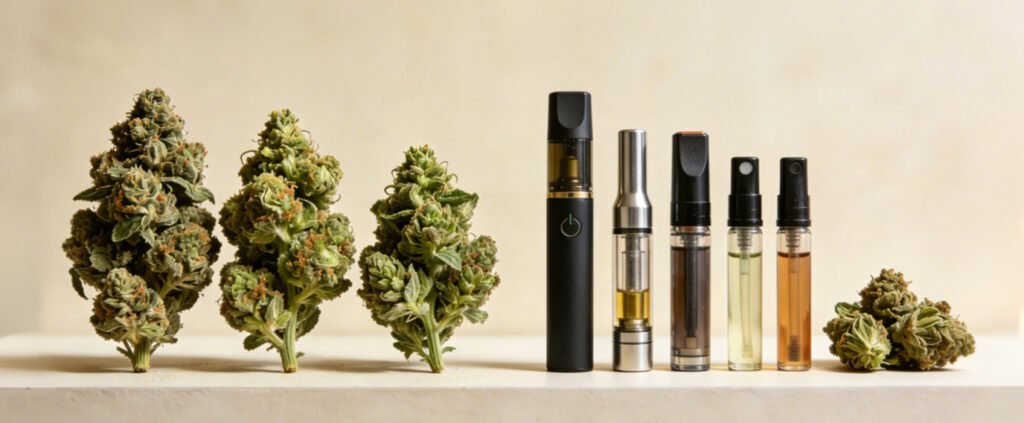
Hybrid strains represent the majority of modern cannabinoid products and are created by combining elements of both sativa and indica. Rather than fitting neatly into one category, hybrids offer a spectrum of effects that can be tailored to specific preferences.
Some hybrids are sativa-dominant, leaning toward energizing and uplifting effects, while others are indica-dominant, emphasizing relaxation and calm. Balanced hybrids aim to provide a middle ground, offering both mental clarity and physical ease without leaning too heavily in either direction.
For beginners, hybrids often serve as an ideal entry point. Their balanced nature allows users to explore cannabinoids without committing to the more pronounced effects sometimes associated with pure sativa or indica products. Additionally, the wide variety of hybrid formulations makes it easier to find a product that aligns with individual needs and desired outcomes.

Choosing the Right Type for Your Needs
Selecting the right cannabinoid product involves more than simply choosing between sativa, indica, and hybrid. It requires a thoughtful consideration of your goals, environment, and personal sensitivity.
The first step is to clearly define what you hope to achieve. If your primary goal is relaxation or sleep, products traditionally associated with indica may be more appropriate. If you are seeking energy, focus, or social engagement, sativa-leaning options may be a better fit. For those who are unsure or looking for a more moderate experience, hybrids provide a flexible starting point.
Equally important is paying attention to cannabinoid content. Beginners are generally advised to start with lower THC levels or products that include CBD to balance the effects. This approach reduces the likelihood of discomfort and allows for a more gradual introduction to cannabinoids.
Vaping, in particular, requires mindful dosing, as its effects can be felt relatively quickly. Taking one or two puffs and waiting to assess the effects is a practical and effective strategy. Over time, keeping track of your experiences—including the type of product, dosage, and context—can provide valuable insights and help refine your preferences.
Common Misconceptions
Despite their widespread use, sativa, indica, and hybrid labels are often misunderstood. One common misconception is that sativa will always produce an energizing effect. In reality, this depends heavily on cannabinoid levels and terpene composition. Similarly, indica is often assumed to guarantee sleep, yet its effects can vary significantly depending on dosage and individual response.
Another frequent misunderstanding is that hybrid products are inherently mild or less potent. In fact, hybrids can be formulated to be just as strong as any other type, and their effects can range from subtle to highly pronounced.
Recognizing these misconceptions is an important step toward making more informed and responsible choices.
Conclusion
Sativa, indica, and hybrid classifications provide a useful framework for understanding cannabinoids, particularly for beginners navigating a wide range of products. However, they represent only part of a much larger picture.
The true determinants of your experience lie in the interaction between cannabinoids, terpenes, dosage, and individual physiology. By approaching cannabinoids with this broader perspective, users can make more informed decisions and achieve more consistent, predictable results.
For those just starting, the most effective approach is to begin with low doses, choose balanced formulations, and gradually explore different options. With time and experience, these initial categories will become less about labels and more about understanding what works best for you.