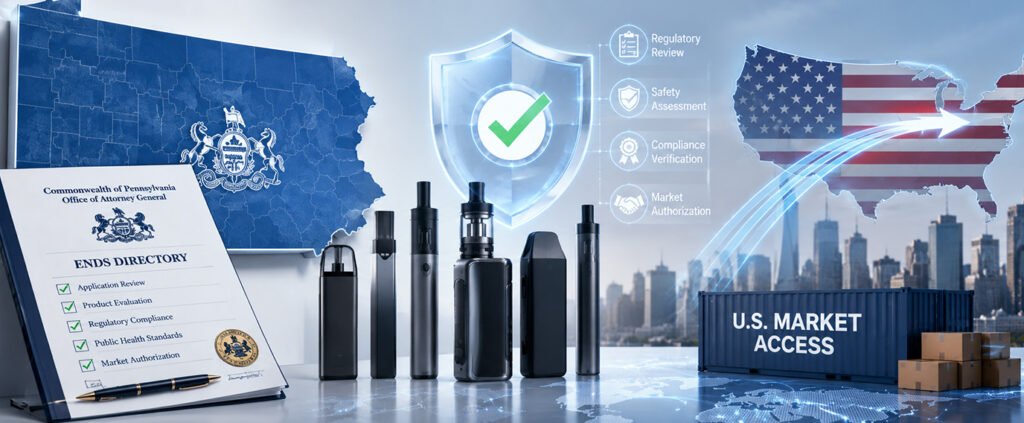
The Pennsylvania Office of Attorney General updated its Electronic Nicotine Delivery System (ENDS) Manufacturers with Pending Certifications list on June 26, 2026, revealing manufacturers and vape products seeking inclusion in the state’s ENDS Directory.
The updated list provides an early preview of Pennsylvania’s future regulated ENDS market before ENDS Directory enforcement begins in October 2026, featuring international tobacco company brands such as Vuse Alto, JUUL and Logic, along with Chinese vape brands OXBAR and LYCO and established e-liquid brands including Vapetasia, Coastal Clouds, Twist E-Liquid, and Juice Head.
Based on FDA PMTA eligibility requirements and Pennsylvania’s state-level regulations, the ENDS certification process signals a major shift in the U.S. vape industry, where regulatory compliance and legal market access are becoming as important as brand popularity and market share.
Table of Contents
Key Takeaways
- Pennsylvania updated its ENDS Manufacturers with Pending Certifications list on June 26, 2026, providing an early view of companies seeking access to the state’s future regulated vape market.
- The list includes international tobacco company brands such as Vuse, JUUL and Logic, alongside Chinese disposable vape brands OXBAR and LYCO, showing different market segments entering the same state certification process.
- The certification list covers multiple ENDS categories, including closed-pod systems, open-system e-liquids, and rechargeable disposable vapes.
- Pending certification does not represent final approval, and eligibility depends largely on FDA PMTA status and Pennsylvania’s state-level compliance requirements.
- Pennsylvania’s ENDS Directory is shifting industry competition from traditional market share toward regulatory compliance and long-term regulated market access.
Pennsylvania Introduces a New Gatekeeper for Vape Market Access

Pennsylvania is moving toward a more structured regulatory framework for electronic nicotine delivery systems (ENDS), creating a new pathway that may influence which products qualify for sale in Pennsylvania’s regulated market.
As part of the latest industry news covering the U.S. vape market, the Pennsylvania Office of Attorney General updated its ENDS Manufacturers with Pending Certifications list on June 26, 2026, identifying manufacturers and product lines that have submitted information for potential inclusion in the state’s ENDS Directory.
The directory represents more than a simple registration process. It reflects a broader shift in the U.S. vape industry, where regulatory eligibility is becoming as important as consumer demand and retail performance.
Enforcement of the ENDS Directory requirements is expected to begin in October 2026, making certification status an important consideration for manufacturers, distributors, and retailers.
Major International Tobacco Company Brands Enter Pennsylvania’s Certification Process
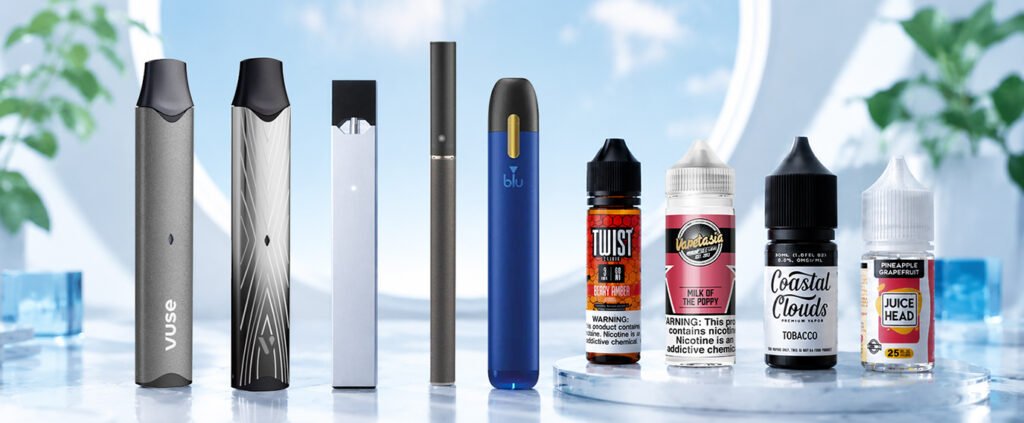
Among the brands appearing on Pennsylvania’s ENDS Manufacturers with Pending Certifications list, several major tobacco company-owned brands have entered the state-level certification process. These include Vuse, JUUL, Logic and blu, representing some of the most established names in the U.S. ENDS market.
Vuse, operated by R.J. Reynolds Vapor Company, appears with multiple product lines, including Vuse Alto, Vuse Ciro, Vuse Solo, and Vuse Vibe. JUUL is listed under JUUL Labs, while Logic and blu appear under manufacturers associated with Japan Tobacco and Fontem US respectively.
These brands are primarily focused on closed-system products, including closed pod systems, closed cartridge products, and closed capsule devices, reflecting the continued role of pre-filled systems in the regulated U.S. ENDS market.
The certification list also includes established open-system e-liquid brands such as Vapetasia, Coastal Clouds, Twist E-Liquid, and Juice Head, showing that Pennsylvania’s ENDS regulatory framework covers multiple product categories across the broader vape industry.
Being included on the pending certification list indicates that these products have entered Pennsylvania’s certification process, however, it does not represent final approval or guaranteed market authorization.
OXBAR and LYCO Highlight Chinese Vape Brands Participation
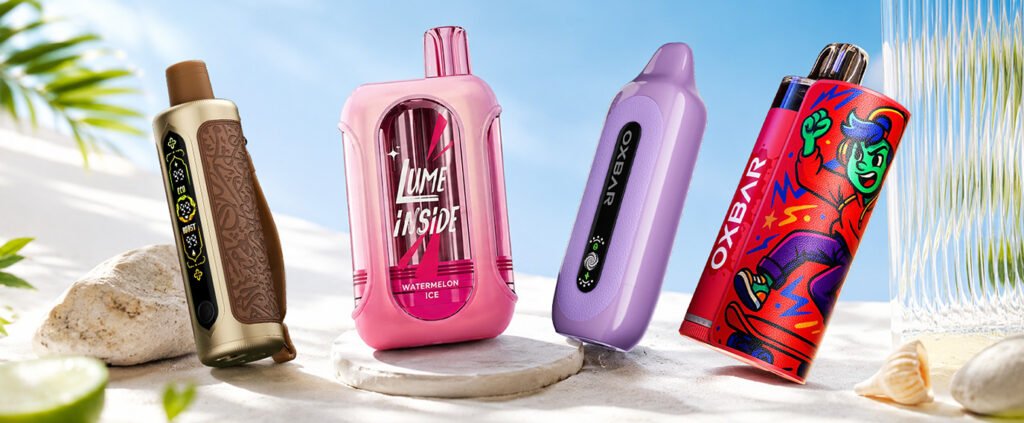
Among the Chinese brands appearing on Pennsylvania’s ENDS Manufacturers with Pending Certifications list, OXBAR and LYCO represent the growing participation of Chinese vape manufacturers and brands in the U.S. regulatory process. Both brands are focused on rechargeable disposable vapes.
OXBAR is listed under YME Technology Limited as the manufacturer, with products from the Magic Maze Series included in Pennsylvania’s filings. Public records show that the OXBAR brand is operated by Shenzhen Alermi Technology Co., Ltd.
LYCO is listed under Shenzhen IVPS Technology Co., Ltd., with the Mini Box Series appearing in the pending certification filings. The listing reflects the continued expansion of Chinese vape manufacturers into U.S. state-level regulatory systems.
Chinese manufacturers also remain important suppliers for multinational tobacco companies. For example, Logic, owned by Japan Tobacco, lists Shenzhen Smoore Technology Limited as its manufacturer in Pennsylvania filings.
Being listed as pending means the products have entered Pennsylvania’s certification process, but it does not represent final approval or guaranteed market authorization.
PMTA Eligibility Becomes a Key Market Filter
Pennsylvania’s ENDS Directory is closely linked to federal FDA regulatory requirements.
Products seeking inclusion generally need to meet specific eligibility standards, including:
- Products that have received a Marketing Granted Order (MGO)
- Products covered by timely filed PMTA applications that remain under FDA review
This creates a different competitive environment from traditional consumer markets. A product’s future availability may not depend solely on popularity, sales volume, or brand recognition. Instead, manufacturers must demonstrate regulatory eligibility at both federal and state levels.
Competition Moves from Market Share to Market Access
Pennsylvania’s ENDS Directory reflects a broader transformation taking place across the U.S. vape industry.
Historically, brands competed through:
- Product innovation
- Pricing
- Flavor variety
- Retail distribution
- Consumer recognition
Under emerging state directory systems, another factor is becoming increasingly important: The ability to legally access the market.
As more states consider stricter ENDS product verification systems, manufacturers may need to prioritize regulatory compliance alongside commercial growth.
Pennsylvania’s regulatory approach could serve as an important indicator of how the U.S. vape market evolves in the coming years, potentially shaping which vape brands and products gain access to regulated retail channels.
Frequently Asked Questions
Q1: What Is Pennsylvania’s ENDS Directory?
Pennsylvania’s ENDS Directory is a state regulatory system that identifies electronic nicotine delivery system (ENDS) manufacturers and products eligible for sale under Pennsylvania requirements.
Q2: Does Pending ENDS Certification Mean a Vape Product Is Approved?
No. Pending certification means a product has entered Pennsylvania’s review process, but it does not guarantee final approval or market authorization.
Q3: Which Vape Brands Appear on Pennsylvania’s Pending ENDS List?
The list includes brands such as Vuse, JUUL, Logic, blu, OXBAR, LYCO, Vapetasia, Coastal Clouds, Twist E-Liquid, and Juice Head, etc.
Q4: How Does FDA PMTA Status Affect Pennsylvania Vape Market Access?
FDA PMTA status is an important factor in Pennsylvania’s ENDS certification process. Products generally need to have received a Marketing Granted Order (MGO) or be covered by a timely filed PMTA application that remains under FDA review to qualify for consideration.
Q5: What Does Pennsylvania’s ENDS Directory Mean for Chinese Vape Brands?
Pennsylvania’s ENDS Directory demonstrates that Chinese vape manufacturers are increasingly participating in U.S. state-level regulatory processes. For brands seeking access to the U.S. market, regulatory eligibility and compliance requirements are becoming increasingly important factors.