“Is vaping haram?” MUI of Indonesia has become the third to answer this question and they give us a “yes”.
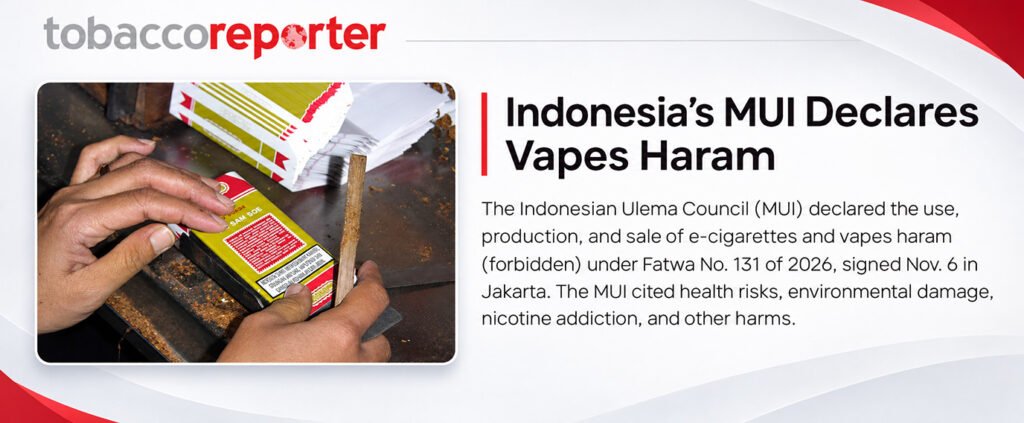
Indonesia’s Indonesian Ulema Council (MUI) has issued Fatwa No. 131/2026, declaring the use, production, and commercial sale of e-cigarettes or vapes haram under Islamic law. Signed on November 6, 2026, and announced publicly on November 9, the ruling extends beyond individual consumers to the entire vape supply chain. However, the fatwa is a religious ruling, not a government law, so it does not automatically make vaping illegal or impose criminal penalties. MUI has urged the government and the House of Representatives to introduce legislation banning vapes and establishing penalties, while Indonesia’s Health Ministry is reviewing a possible nationwide ban on vape distribution.
Table of Contents
1. Definition of Haram in Islam
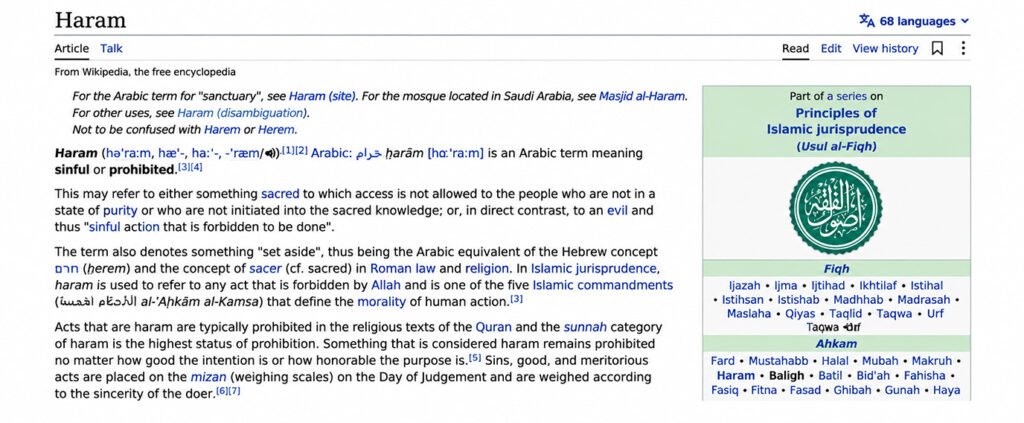
Haram is an Arabic term in Islamic law meaning forbidden or prohibited. It refers to actions or activities considered impermissible under Islamic religious teachings and is the opposite of halal, meaning permissible.
In Indonesia, MUI issues fatwas to provide religious guidance on matters affecting Muslim communities. A fatwa is a religious ruling or opinion on an issue under Islamic law. It should not be confused with legislation passed by the government. Although an MUI fatwa can influence religious beliefs, public attitudes, and policy discussions, it does not automatically carry the force of national law.
For vapers, this means that vaping is considered religiously prohibited under MUI’s ruling, but the fatwa does not, by itself, mean using, possessing, or purchasing vapes is a criminal offense in Indonesia.
2. What Does Vaping Haram Include in the Fatwa of MUI?
Under Fatwa No. 131/2026, MUI’s haram ruling covers three areas: e-cigarette use, the misuse of vape devices, and the production and commercial sale of vapes.
The ruling declares vaping haram and separately prohibits using vape devices to consume narcotics, psychotropic substances, and other addictive substances. It also extends the religious prohibition to businesses, making the production and commercial sale of e-cigarettes haram for manufacturers, retailers, and other businesses involved in the vape trade.
Alongside the fatwa, MUI issued 12 recommendations to the government, regulatory agencies, law enforcement, businesses, religious organizations, and the public. Key proposals include passing legislation to ban vape products and establish penalties, tightening product oversight by BPOM, restricting permits for vape businesses, and taking stronger action against the use of electric cigarettes for drug distribution and consumption.
3. The Reasons Why Vaping is Haram According to the MUI
MUI cited several concerns behind its decision, including potential health risks, nicotine addiction, environmental damage, and the misuse of vapes for drug-related activities. The issue also drew attention from Indonesia’s National Police, which asked the council to consider issuing a fatwa on vaping.
(1) Health and nicotine concerns
MUI considers the potential health effects of e-cigarettes and nicotine addiction among the grounds for its ruling. It also raised concerns about possible negative effects of nicotine on the nervous system.
(2) Environmental impact
Environmental concerns were another factor behind MUI’s decision. The council included the potential environmental impact of e-cigarettes among its reasons for declaring vaping haram.
(3) Concerns over drug misuse
A key concern was that vape devices could be used to distribute or consume liquid narcotics and other controlled substances. Indonesia’s National Police Chief, Gen. Suyudi Ario Seto, raised this issue during a visit to MUI headquarters in Menteng, Central Jakarta, on October 13, 2026. He asked the council to consider issuing a fatwa on vaping in response to the potential misuse of these devices.
MUI later held discussions with various stakeholders, including a meeting on November 3, before signing Fatwa No. 131/2026 on November 6. The ruling was subsequently made public on November 9.
4. Does the Fatwa Make Vaping Illegal in Indonesia?

No. The fatwa is a religious ruling, not a government regulation or criminal law. It does not automatically create a nationwide legal vape ban or impose criminal penalties on people for using, manufacturing, or selling vape devices. I happen to notice that early in 2020, another Muslim organization, Muhammadiyah’s Tarjih and Tajdid Council, issued a fatwa and this didn’t stop the expansion of the vape market and production in Indonesia.
Any legally enforceable ban or penalties would require separate government legislation or regulations. Existing laws and regulations still apply, however, including restrictions on e-cigarette sales under Government Regulation No. 28 of 2024.
The government is also considering tighter controls. Indonesia’s Health Ministry has said it is reviewing stronger e-cigarette control measures, including a possible total ban on vape distribution. However, the proposal remains under review, and no final decision or implementation date has been announced.
5. The Impact of MUI Fatwa about Vaping
According to Wikipedia, Islam is the largest religion in Indonesia, with 87.15% of the Indonesian population based on the civil registry in 2025. However, the belief of Indonesians doesn’t affect the everyday life as significantly as that among the Middle East countries. Indonesia is mostly a secular country, which means MUI’s declaration about vaping as haram cannot override Indonesian laws. However, this newly issued fatwa may influence more than Indonesians.
(1) Higher Vape Prices & Vape Shortage
As is known to us all, Indiana and Texas have banned vapes that are made in China. Many Chinese vape brands have established new factories in Southeast Asian countries, such as Malaysia and Indonesia. After Indiana loosed its foreign vape ban, we’ve found and confirmed that some most famous vape brands have their branches in Indonesia, such as Lost Mary, Fogertech, VOOPOO and RAZ.
With a large proportion of workers who are Muslim, there could be strikes in these factories. The manufacturers will either promise higher salaries or find labor with other beliefs. The strikes will definitely influence vape production, and both options for the vape brands will lead to higher costs and thus, higher vape prices, especially in the United States.
(2) Fewer Choices Smoking Alternatives
If vaping is haram, then how should smokers quit smoking when cigarettes were declared as halal decades ago? Smokers may refer to medical help, but this is not that helpful compared with e-cigarettes or other harm reduction products. It’s worrisome that such fatwas may extend to nicotine pouches and other smoking alternatives despite a lack of authority.
6. My Opinion
MUI’s fatwa reflects its religious position on vaping, but religious guidance and national law should not be treated as the same thing. If Indonesia decides to ban e-cigarettes, the restriction should come through clear government legislation, with its legal basis and enforcement measures properly defined. For now, it is important to distinguish what is religiously prohibited from what is legally prohibited. For more on how different faiths view nicotine use, see our guide to vaping and religions.
7. Conclusion
MUI’s fatwa adds a new religious dimension to Indonesia’s ongoing debate over vaping and its future vaping regulations. While it declares e-cigarette use, production, and commercial sales haram under Islamic law, it does not automatically make these activities illegal under national law. Whether Indonesia moves toward a nationwide vape ban will depend on the government’s next steps, particularly whether it turns MUI’s recommendations into enforceable regulations.
8. FAQs
Q1: Why did MUI declare vaping haram?
MUI considers vaping to contain potential health risks, nicotine addiction, environmental damage, and the possible misuse of vape devices to distribute or consume narcotics and other addictive substances.
Q2: Can people still buy vape products in Indonesia?
Yes. MUI’s fatwa does not, by itself, make buying or using vape products illegal under Indonesian national law. However, consumers must still follow existing restrictions under Government Regulation No. 28 of 2024, including the ban on sales to people under 21 and pregnant women.
Q3: Will Indonesia introduce a nationwide vape ban?
A nationwide ban remains possible. Indonesia’s Health Ministry is reviewing stricter e-cigarette controls, including a possible total ban on vape distribution. However, the government has not announced a final decision or an implementation date.