
CBD (Cannabidiol) has become a widely discussed compound in the wellness space, especially among users looking for natural ways to support relaxation, sleep quality, and overall stress management without the intoxicating effects of THC.
Whether you’re completely new to CBD or simply curious about how different CBD products actually work, this A Beginner’s Guide to CBD covers the basics, including what CBD is, how it interacts with the body, common product types, and what beginners should know before getting started.
What Is CBD
CBD is a natural compound found in hemp plants. Unlike THC (tetrahydrocannabinol), CBD is non-psychoactive, meaning it won’t get you “high.”
Instead, CBD is commonly used in products such as vape pens, oils, gummies, edibles, capsules, and topicals for potential wellness benefits like relaxation support, improved sleep, and overall balance.
Many users prefer vape products for quick effects, while edibles and oils are typically chosen for a slower and longer-lasting experience.
CBD vs THC
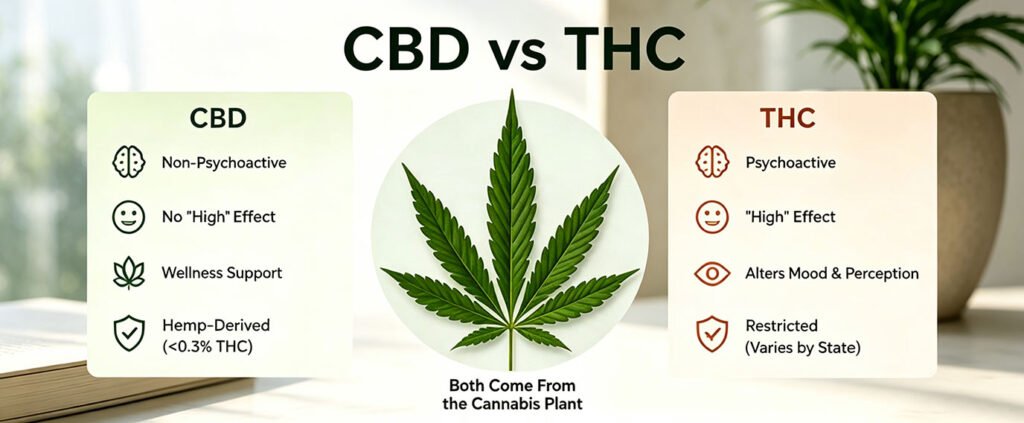
While both CBD and THC come from the cannabis plant, they interact with the body in very different ways.
THC is responsible for the intoxicating “high” effect, while CBD does not produce intoxication and works more subtly through the body’s endocannabinoid system (ECS).
Table for Quick Comparison Recap:
| Feature | CBD | THC |
| Psychoactive | No | Yes |
| “High” effect | None | Yes |
| Legal status (US hemp) | Legal if <0.3% THC | Restricted |
| Main use | Wellness & daily support products | Recreational/medical |
How Does CBD Work
CBD works through the body’s endocannabinoid system (ECS), a complex cell-signaling network that regulates various functions such as mood, sleep, and immune response.
Rather than directly binding to receptors, CBD helps support balance within this system, often referred to as homeostasis.
As inhaled CBD works faster than many other formats, vape devices are often chosen for convenience and quicker effects.
Types of CBD Extracts
Not every CBD extract feels the same, and the type you choose can noticeably change the overall experience.
Full-Spectrum CBD
It contains naturally occurring cannabinoids, terpenes, and trace amounts of THC found in hemp. These compounds may work together to create the “entourage effect,” supporting a fuller and more balanced CBD experience.
Broad-Spectrum CBD
It is similar to full-spectrum CBD, but with one key difference: it contains multiple cannabinoids and terpenes without THC. This allows users to experience some of the entourage effect while avoiding THC consumption.
CBD Isolate
It contains pure CBD without additional cannabinoids, terpenes, or hemp compounds. It is commonly chosen by users seeking a THC-free CBD option with a more simplified formulation.
Many beginners start with broad-spectrum or isolate formulas because they prefer little to no THC in their products.
Key Benefits of CBD
CBD has become increasingly popular in products ranging from vape devices to tinctures and gummies, especially among users looking for a simple addition to their daily wellness routine. While scientific research is still developing, early studies and user-reported experiences suggest several consistent benefits:
Stress Relief
Many users turn to CBD to help them relax and unwind during stressful or busy days. It is often used as part of daily wellness routines aimed at emotional balance.
Improved Sleep
Some users include CBD in their nighttime routine to help them relax before bed and maintain a more consistent sleep schedule.
Physical Discomfort & Recovery Support
CBD is also commonly used after workouts or physically demanding days as part of general recovery routines.
Focus & Mental Clarity
Unlike stimulants, CBD does not produce jittery effects. Some users say CBD helps them feel more settled and focused without the restless feeling associated with stimulants.
For faster effects, many users prefer inhalable CBD products, while oils and edibles are often chosen for a slower, longer-lasting daily use.
Types of CBD Products
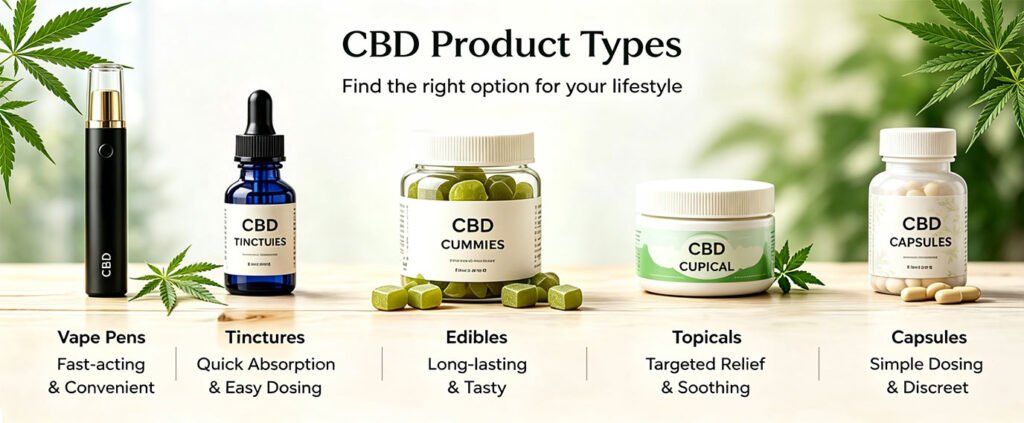
CBD is available in multiple delivery formats, each with different onset times and use cases:
After learning the basics, most beginners start comparing product types to see which format best fits their routine and personal preferences.
CBD Vape Products
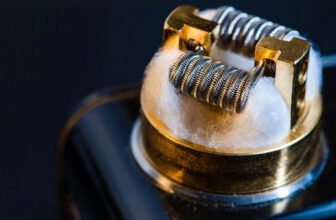
CBD vapes heat CBD liquid into vapor for inhalation. This method offers the fastest onset due to direct absorption through the lungs.
CBD Tinctures
Taken under the tongue, tinctures allow CBD to enter the bloodstream relatively quickly and offer flexible dosing.
CBD Edibles
Edibles such as gummies provide longer-lasting effects but slower onset due to digestion.
CBD Topicals
Applied directly to the skin for localized support, commonly used for muscles and joints.
CBD Capsules
Pre-measured oral supplements that provide consistent dosing with slower release.
The best option usually comes down to personal preference, daily habits, and how quickly you want the effects to kick in.
How to Choose the Right CBD Product
Choosing the right CBD product depends on several factors:
- Desired Effect (fast vs long-lasting support)
- Potency level and tolerance
- Delivery method preference
- Ingredient quality and purity
- Third-party lab testing (COA verification)
Reputable CBD brands should provide third-party Certificates of Analysis (COAs) to verify cannabinoid content, purity, and product transparency.
For beginners, starting with a lower-strength product is usually the easiest way to see how your body responds.
Is CBD Safe
CBD is generally considered safe when used as directed.
However, as with any supplement, it’s important to start slow and see how your body reacts. Some people may experience mild side effects like dry mouth, dizziness, or fatigue.
It’s always a good idea to consult with a healthcare professional before starting CBD, especially for individuals taking prescription medications or managing underlying health conditions.
CBD Dosage: How Much Should You Take
There is no universal CBD dosage, as individual response varies based on:
- Body weight
- Metabolism
- Product type
- CBD concentration
- Personal tolerance
A common approach is to start with a low dose and gradually increase until the desired effect is achieved.
CBD Bioavailability: Why It Matters
Bioavailability refers to how efficiently CBD is absorbed into the body.
Different delivery methods offer different absorption speeds:
- Inhalation (Vape): Fastest onset
- Sublingual (Tinctures): Moderate onset
- Edibles: Slower onset but longer duration
- Capsules: Consistent but delayed effect
- Topicals: Localized, non-systemic effect
Vape products are usually chosen for faster effects, while oils and edibles are more popular for slower, longer-lasting use.
FAQs about CBD
Q1: Does CBD Get You High?
No. CBD is non-psychoactive and does not produce intoxicating effects.
Q2: How Long Does It Take for CBD Vape to Kick In?
With inhalation delivery, effects are typically felt more quickly than with other methods.
Q3: What Is CBD Used For?
CBD is available in products like vapes, oils, gummies, edibles, and topicals designed for everyday wellness use.
Q4: What Is the Difference Between Full-Spectrum And Broad-Spectrum CBD?
Full-spectrum contains trace THC, while broad-spectrum removes THC entirely.
Q5: Is CBD the Same as THC?
No. CBD is non-psychoactive, while THC produces intoxicating effects.
Conclusion
Whether you prefer vape devices, gummies, oils, or capsules, understanding how CBD works can make it easier to choose products that fit your lifestyle and personal preferences.
For most beginners, starting with a low-strength, lab-tested CBD product from a reputable brand is usually the simplest way to get comfortable with CBD.




Leave a reply
Leave a reply