As stated on the official website of the DEA, the U.S. Drug Enforcement Administration filed its intent to temporarily place 7-hydroxymitragynine (7-OH) and three related substances into Schedule I of the Controlled Substances Act (CSA).
The temporary placement of 7-hydroxymitragynine above a specified threshold (0.05% of dry leaf weight) in Schedule I of the CSA will take effect pursuant to a temporary scheduling order, which will not be issued before August 5, 2026.
Table of Contents
1. What is 7OH?
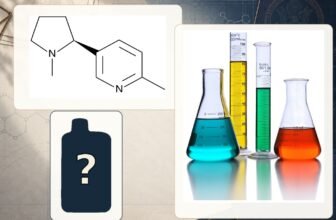
7-OH (7-hydroxymitragynine) is the psychoactive alkaloid naturally found in kratom (Mitragyna speciosa) leaves. Although it’s only a minor constituent (often <0.05% of leaf dry weight or 1mg per article), 7OH has much stronger activity at μ-opioid receptors. As a result, the effects of 7OH can resemble those of prescription opioids.
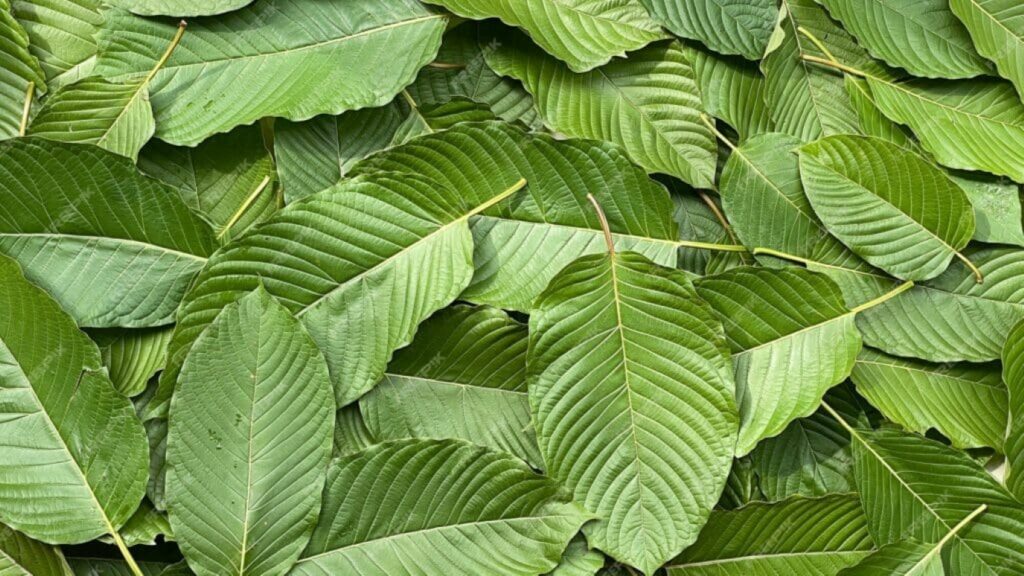
Natural kratom contains only small amounts of 7-hydroxymitragynine. Products marketed as “7-oh”, “7-hydroxy” or “enhanced kratom” contain higher levels of 7-hydroxymitragynine. If you take mitragynine, the main alkaloid, into consideration, the actual 7-OH concentration will be higher because when kratom is ingested, a small amount of 7-OH is produced endogenously in humans via CYP3A4-mediated oxidation as an active metabolite of mitragynine.
2. What is 7OH Used for?
Because of its similar effects to opioids, 7-OH is used by people for pain relief, relaxation, and euphoria, although it’s not approved by the FDA for medical use. People either chew kratom leaves or brew leaves or powder into tea. Kratom capsules are swallowed too for constant pain-relieving effects.
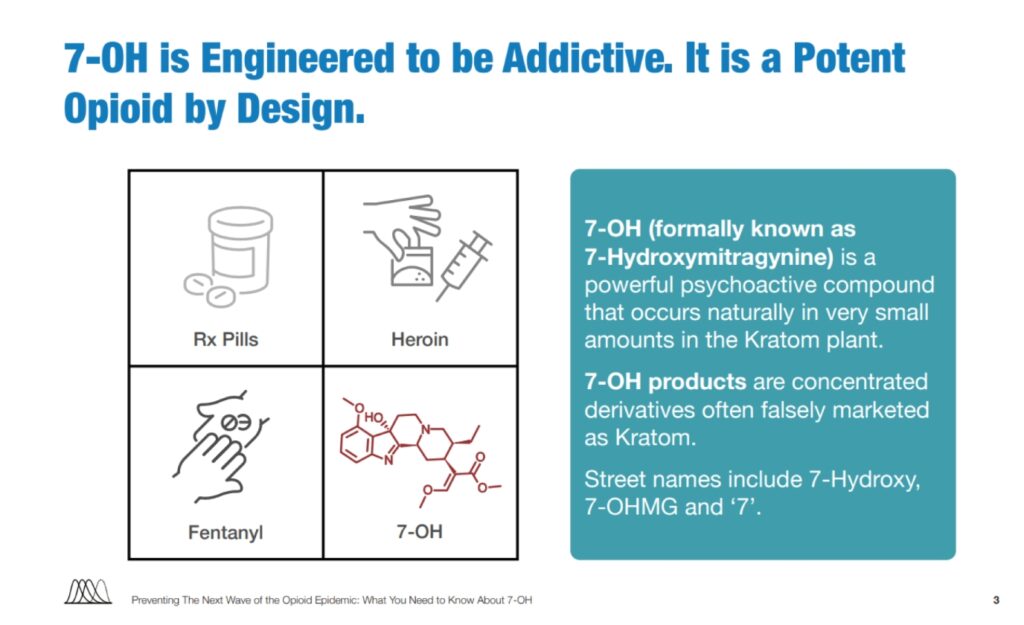
People use kratom for chronic pain for a long period of time. However, 7-OH tablets and pills contain a much higher concentration of 7-hydroxymitragynine than unprocessed kratom leaves. Concerns about dependence on 7-OH grow.
3. What States Have Banned Kratom?
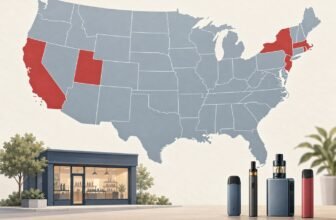
As of August 3, 2026, several states have their own policies regarding kratom and 7OH. These policies include a total kratom ban, 7-OH scheduling, or a synthetic 7OH ban. You can check this list and learn about what states is kratom illegal 2026. Starting August 5, 2026, 7-OH products with a concentration higher than 0.05% (or 1mg per article) may not be legal in these states either.
| State | What is banned | Threshold |
|---|---|---|
| Direct or broad 7-OH bans | ||
| Alabama | Mitragynine and 7-OH are Schedule I; kratom products are effectively prohibited. | None |
| Arkansas | Mitragynine and 7-OH are Schedule I; kratom products are effectively prohibited. | None |
| Connecticut | Kratom—including leaves, stems, extracts—and 7-OH are Schedule I. (CT DCP) | None |
| Florida | 7-OH above 400 ppm is Schedule I; the rule does not apply to mitragynine. (Florida rule) | More than 400 ppm dry weight |
| Indiana | Mitragynine and 7-OH are treated as Schedule I controlled substances. | None |
| Kansas | 7-OH is expressly listed in Schedule I; no concentration carve-out. (Kansas bill) | None |
| Kentucky | 7-OH above 400 ppm is Schedule I; the rule does not apply to mitragynine. (Kentucky regulation) | More than 400 ppm dry weight |
| Louisiana | Any Mitragyna-derived substance, or substance containing 7-OH or mitragynine; possession, manufacture, distribution, and sale are prohibited. (Louisiana statute) | None. Weight amounts such as 20 g and 500 g are penalty bands, not legal limits. |
| Ohio | 7-OH and related mitragynine compounds are prohibited. Natural whole/ground leaf containing trace 7-OH may remain legal. (Ohio rule; Ohio Board notice) | No numeric threshold for the compound |
| Tennessee | Statewide possession, manufacture, delivery, and sale of kratom are prohibited; effective July 1, 2026. (Tennessee General Assembly) | None |
| Vermont | Mitragynine and 7-OH are listed as regulated drugs and are generally illegal outside narrow lawful exceptions. | None |
| Wisconsin | Mitragynine and 7-OH are Schedule I controlled substances. | None |
| Product-level bans on concentrated or synthetic 7-OH These generally prohibit sale, manufacture, or distribution rather than ordinary adult possession of natural leaf. | ||
| Arizona | Products above the 7-OH limit or containing synthetic kratom alkaloids. | Over 2% of total alkaloids; synthetic any amount |
| Colorado | Products above the 7-OH limit; synthesized or semi-synthesized kratom alkaloids. (Colorado law) | Over 2% of total alkaloids; synthetic/semi-synthetic any amount |
| Georgia | Products exceeding either 7-OH concentration limit; synthetic or chemically enhanced products. (Georgia AG) | Over 0.5 mg/g or over 1 mg/serving |
| Maryland | Products above the limit or containing synthetic 7-OH. | Over 2% of total alkaloids; synthetic any amount |
| Mississippi | Products must contain no synthesized alkaloids and remain below both limits. | No more than 1% of total alkaloids and no more than 0.5 mg/container |
| Nebraska | Products must qualify for state registration and laboratory certification. | Must be less than 2% of total alkaloids |
| Oklahoma | Products above the limit or containing synthesized kratom compounds. | Over 1% of total alkaloids; synthetic any amount |
| Rhode Island | Noncompliant products are contraband; synthetic 7-OH and high-concentration products are prohibited. (Rhode Island DOH) | Over 0.5 mg/g, over 1 mg/serving, or over 1% of total alkaloids |
| South Carolina | Fully synthetic 7-OH and other fully synthetic kratom alkaloids. | No numeric threshold |
| South Dakota | Products above the limit or containing synthetic 7-OH/derivatives. | Over 2% of total alkaloids; synthetic any amount |
| Texas | Products above the limit or containing synthetic 7-OH/derivatives. | Over 2% of total alkaloids; synthetic any amount |
| Utah | Products above the limit or containing synthetic 7-OH/derivatives. | Over 2% of total alkaloids; synthetic any amount |
4. How Will 7OH/Kratom Be Regulated?
As the DEA published on July 1, 2026, once the temporary scheduling orders take effect, the manufacture, distribution, sale, and possession of covered 7-OH substances will become subject to criminal, civil, and administrative provisions of the Controlled Substances Act.
Scheduling 7OH will function as a temporary federal ban on 7-hydroxymitragynine after the order takes effect.
5. What is the Impact of Temporary 7-OH Scheduling?
(1) 7-OH Product Black Market
Similar to vape bans, even a temporary ban on 7-hydroxymitragynine pills will give rise to black markets. Unregulated 7OH products will be more devastating and harder to monitor as they are often distributed in corner shops. Where to buy 7OH products will be a huge problem then. Updated regulations inevitably create new trouble when the older ones are handled.
(2) People with Fewer Options
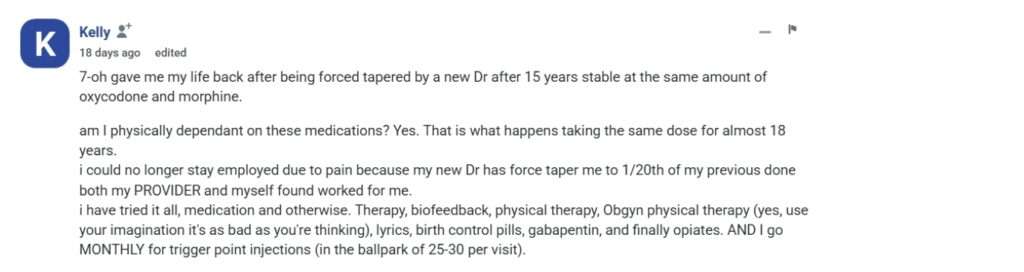
Chances are that some people have opioid use disorder and find 7-OH tablets help them feel better. Despite the fact that 7-OH is highly addictive, it also works for some people who suffer. In the comment section of the article “Banning 7-OH will save lives“, people expressed their concerns and opposite ideas. Some of them mentioned that 7-OH works better than other painkillers.
6. Summary
The upcoming federal 7OH ban may be temporary or extended. The underage are exposed to the risks right now. Simply replace one addictive substance with another and ignore the consequences. They did the same thing with nixodine and replaced opioids with 7OH this time.