A joint is a hand-rolled cannabis product made by wrapping ground cannabis flower in rolling paper. Learning how to roll a joint requires choosing the right materials, preparing cannabis flower properly, and understanding basic rolling techniques. These steps can help beginners create a more consistent joint.
This beginner-friendly guide explains how to roll a joint step by step, including joint anatomy, essential rolling tools, cannabis amounts, different joint styles, common mistakes, and practical rolling tips to improve your technique.
Table of Contents
What Is a Joint
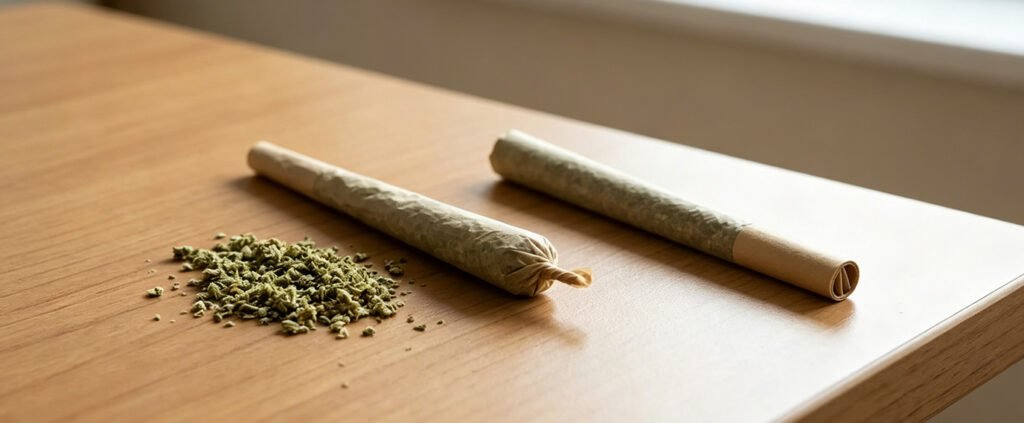
A joint is a hand-rolled cannabis product made by wrapping ground cannabis flower in rolling paper. Joints can be made in different styles, including straight and cone-shaped designs. A joint is one of the most common cannabis formats and typically consists of three main components: cannabis flower, rolling paper, and an optional filter tip or crutch.
Unlike traditional tobacco cigarettes, which are made with processed tobacco, joints are typically made with cannabis flower instead of tobacco. While many joints are rolled by consumers, commercially produced versions are commonly sold as pre-rolls, which are professionally manufactured cannabis joints that are ready to use for convenience.
Joint Anatomy: What Makes Up a Joint
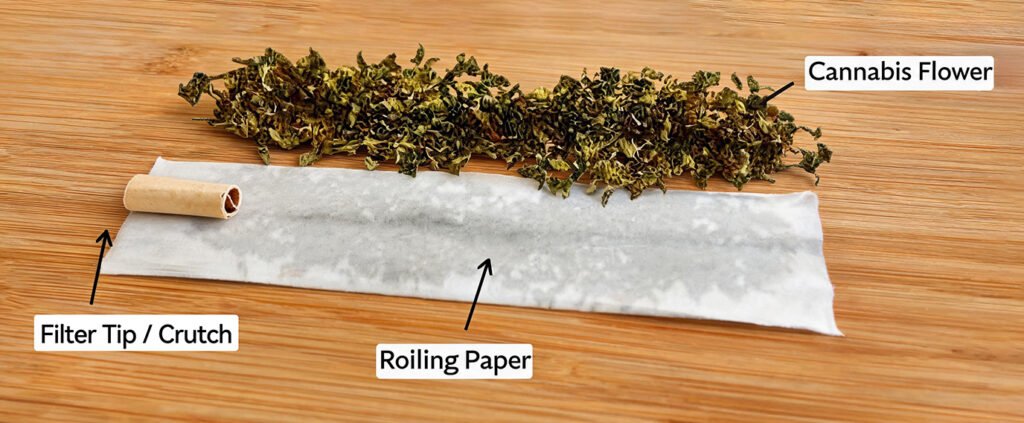
Understanding joint anatomy helps beginners learn how each component contributes to the overall structure and characteristics of a joint.
The main components of a joint include:
- Cannabis Flower
- Rolling Paper
- Filter Tip/Crutch
(1) Cannabis Flower
Cannabis flower is the main material inside a traditional joint.
Before rolling, the flower is usually ground into smaller pieces to create a more consistent texture. Proper preparation can help improve:
- Airflow
- Burn consistency
- Overall joint consistency
An uneven grind may cause inconsistent burning, while overly fine material may restrict airflow and make the joint difficult to roll.
(2) Rolling Paper
Rolling paper is the outer layer that holds the cannabis flower together and forms the structure of the joint.
Rolling papers are available in different sizes, materials, and thicknesses. Common paper materials include:
- Rice paper
- Hemp paper
- Flax paper
Different paper types may influence the joint’s appearance, structure, and overall rolling experience.
(3) Filter Tip/Crutch
A filter tip, also known as a crutch, is a small piece of rolled paper or cardboard placed at one end of a joint to create a more stable mouthpiece.
Although optional, many cannabis users choose them because they provide structural support, help maintain consistent airflow by keeping the mouthpiece stable, create a more comfortable draw, and help prevent loose cannabis particles from reaching the mouth.
Unlike cigarette filters, a joint crutch is mainly designed for structural support and airflow control rather than filtration.
What Do You Need to Roll a Joint
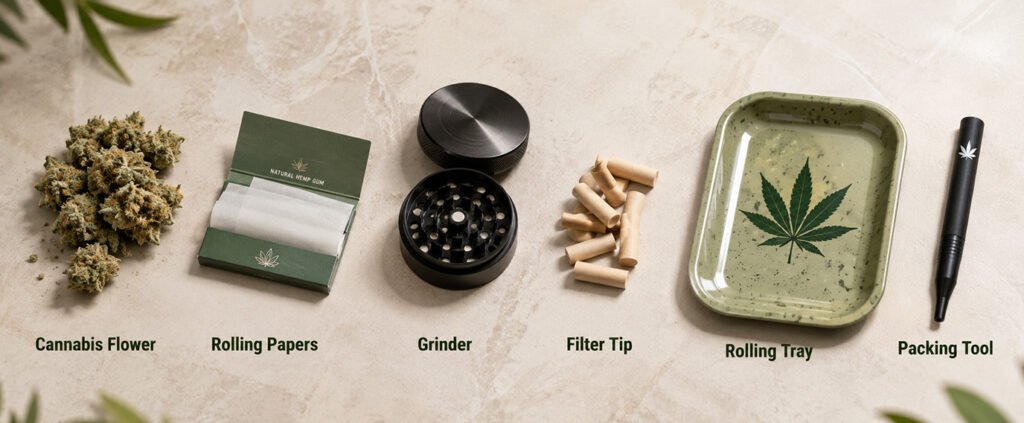
Rolling a joint does not require many tools, but using the right materials and tools can make the process easier and help create a more evenly structured joint.
Essential tools and materials include:
- Cannabis Flower: The main material inside a joint. Different cannabis flowers naturally contain varying levels of cannabinoids (such as THC and CBD) and terpenes.
- Rolling Papers: Used to wrap cannabis flower into a joint. Different sizes, materials, and thicknesses are suitable for different joint styles and formats.
- Grinder: Helps break cannabis flower into a more consistent texture, supporting better airflow, more even burning, and easier rolling.
- Filter Tip/Crutch: Provides additional structure, creates a defined mouthpiece area, and helps make the joint easier to handle.
- Rolling Tray: Provides a clean workspace and helps collect loose cannabis during preparation, reducing waste and keeping the rolling process organized.
- Packing Tool: Helps adjust the density and improve the final structure of the joint during preparation.
How Much Cannabis Is in a Joint
The amount of cannabis in a joint can vary depending on the rolling paper size, joint style, personal preference, and how much flower the roller wants to use.
There is no universal standard for how much cannabis a joint should contain, but most joints typically hold around 0.25-1 gram of cannabis flower, depending on the format and rolling style.
Common Joint Sizes and Their Typical Cannabis Amounts:
- Pinner Joint: A smaller-format joint designed for a lighter cannabis amount. It typically contains around 0.25 grams or less of cannabis flower.
- Standard Joint: One of the most common formats, usually containing around 0.5–1 gram of cannabis flower, depending on the size and rolling style.
- King-Size Joint: A larger format that generally uses more rolling paper and may contain 1 gram or more of cannabis flower.
- Cone Joint: A cone-shaped joint with a narrower filter end and a wider burning end. This shape allows more cannabis flower to be packed toward the wider section and creates a classic cone-shaped structure.
The amount of cannabis alone does not determine the overall experience. Other factors, including cannabinoid profile, terpene content, strain characteristics, individual tolerance, and consumption method, can also influence the characteristics of different cannabis products.
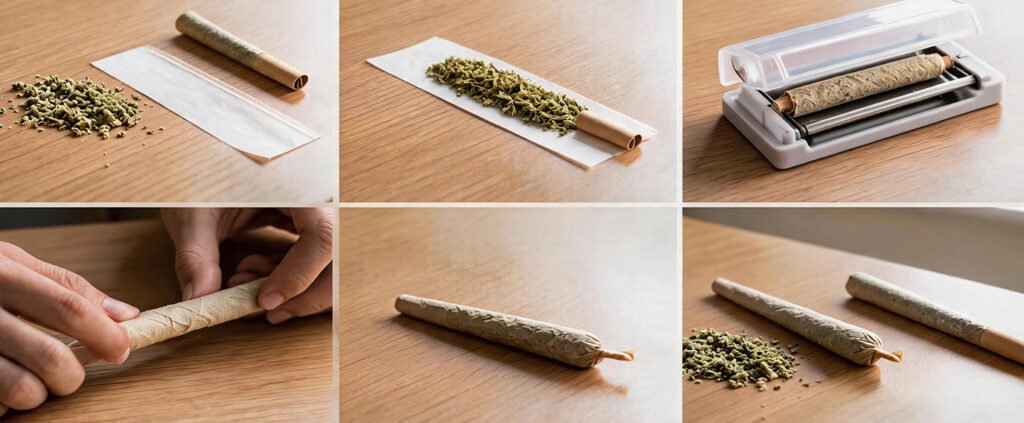
How to Roll a Joint Step by Step
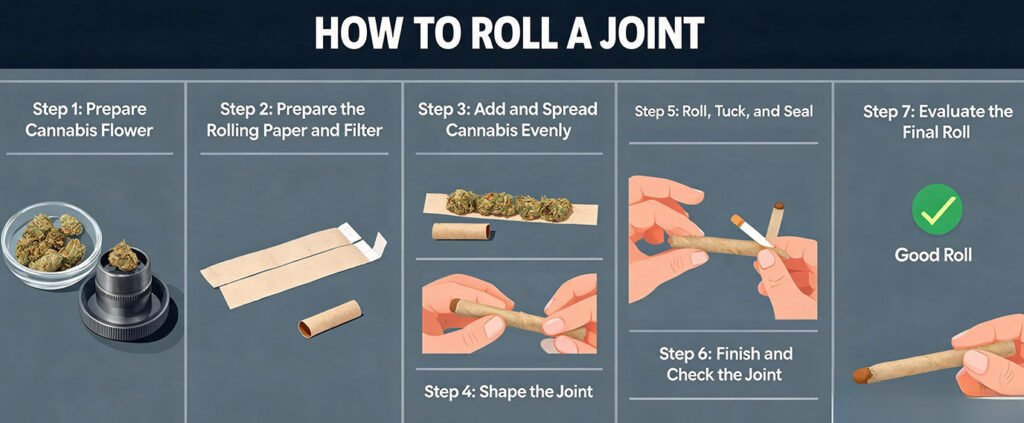
Learning how to roll a joint takes practice. Most beginners do not get a perfect roll on their first try and often run into the same problems: the joint burns unevenly, the airflow feels too restricted, or the shape does not hold together.
From an experienced roller’s perspective, a good joint is all about balance. The cannabis should be packed evenly enough to burn consistently, but not so tightly that airflow becomes difficult.
The key steps include:
- Preparing cannabis flower correctly
- Choosing the right rolling paper and filter tip
- Distributing cannabis evenly
- Rolling with proper pressure
- Checking the final structure and airflow
A well-rolled joint should feel firm in your hand while still allowing comfortable draw resistance and consistent airflow.
Step 1: Prepare Cannabis Flower
The first step is preparing cannabis flower. Most experienced rollers prefer a medium grind because it provides a good balance between airflow and burn consistency. The flower should be broken into evenly sized pieces instead of large chunks or fine powder, helping create a more stable joint structure.
Step 2: Prepare the Rolling Paper and Filter
Place the rolling paper on a flat surface with the adhesive strip facing upward. If using a filter tip or crutch, position it at one end of the paper before adding cannabis. A filter tip helps support the joint structure, create a comfortable mouthpiece, and improve handling.
Step 3: Add and Spread Cannabis Evenly
Place the ground cannabis flower evenly along the center of the rolling paper. Avoid creating thick areas, empty spaces, or uneven distribution, as inconsistent filling can affect the final joint shape and may lead to problems such as canoeing, where one side burns faster than the other.
Step 4: Shape the Joint
Before sealing the paper, shape the cannabis into your preferred style, such as a straight joint or cone joint. The goal is to create an even structure while avoiding excessive compression, which may affect airflow.
Step 5: Roll, Tuck, and Seal
Roll the paper around the cannabis flower while gently shaping it into a balanced structure. Tuck the edge of the paper under the cannabis flower, continue rolling, and use the adhesive strip to seal the joint. Avoid applying too much pressure, as an overly tight joint may restrict airflow, while a loose structure may affect stability.
Step 6: Finish and Check the Joint
After sealing the joint, check the overall shape, density, and airflow. A well-rolled joint should hold its form, feel evenly packed, and provide a smooth draw. Check for loose areas, overly compressed sections, or an uneven shape, then make small adjustments if needed.
Step 7: Evaluate the Final Roll
A well-rolled joint usually comes down to three key factors: even structure, balanced density, and smooth airflow. The cannabis should be distributed consistently throughout the joint without feeling too loose or overly compressed. With practice, most beginners naturally improve their rolling technique and develop their own preferred rolling style.
Joint Rolling Tips & Techniques
Once you understand the basics, small adjustments can make a big difference. Experienced rollers usually focus on using the right amount of cannabis flower, choosing the right rolling paper size, and maintaining balanced density throughout the joint.
(1) Use the Right Amount of Cannabis Flower
Using too much flower can make the joint hard to shape, while too little can make it feel loose. The right amount helps create a balanced structure that is easier to roll and provides a more consistent experience.
(2) Choose the Right Rolling Paper Size
The size of the rolling paper affects the final shape and size of the joint. Standard-size papers are usually easier for beginners, while larger papers work better for bigger rolls.
(3) Maintain Balanced Density
A good joint should feel firm but not packed too tight. Even density helps the joint hold its shape while keeping airflow smooth. Finding the right pressure comes with practice.
Common Joint Rolling Mistakes
Most beginners experience similar challenges when learning how to roll a joint. Understanding these mistakes can help beginners improve their technique and create more consistent joints over time.
(1) Grinding Cannabis Too Fine
Grinding flower too finely can restrict airflow and make the joint burn less consistently. A medium grind usually provides better structure and easier rolling.
(2) Packing Cannabis Too Tightly
Overpacking the joint can restrict airflow and make it difficult to draw. Maintaining balanced density helps the joint hold its shape while allowing consistent airflow.
(3) Uneven Distribution
Unevenly spread flower can lead to an uneven shape and inconsistent burn. Taking time to distribute the flower evenly can improve the final joint.
(4) Overfilling the Joint
Adding too much flower can make shaping and sealing more difficult. A balanced fill is easier to control and creates a more consistent roll.
FAQs About Rolling a Joint
Q1: How Much Cannabis Do You Need to Roll a Joint?
Most standard joints contain around 0.25–1 gram of cannabis flower, depending on the joint size, rolling style, and personal preference.
Q2: What Is the Easiest Joint Style for Beginners?
A standard straight joint is often considered one of the easiest styles for beginners because it has a simple structure and requires less shaping. Cone joints are also beginner-friendly because their wider end makes filling and adjusting cannabis flower easier.
Q3: Do You Need a Filter Tip for a Joint?
A filter tip is optional, but many cannabis users prefer using one because it provides structural support, maintains a more stable airflow path, and creates a more comfortable mouthpiece.
Q4: Why Does My Joint Burn Unevenly?
Uneven burning can happen due to inconsistent grinding, uneven flower distribution, poor packing density, or airflow issues. Proper preparation and even filling can help create a more consistent burn.
Q5: What Is the Difference Between a Joint and a Pre-Roll?
A joint is typically rolled by consumers, while a pre-roll is a commercially manufactured cannabis joint that is ready to use.
Conclusion
Learning how to roll a joint requires practice, patience, and attention to detail. By following the steps and tips in this guide, beginners can choose the right materials, prepare cannabis flower properly, and maintain balanced density to create more consistent joints. With continued practice, they can refine their technique and achieve better structure, smoother airflow, and a more enjoyable rolling experience.