How long does nicotine stay in your system after vaping? This is one of the most common questions among people who vape, whether they are preparing for a nicotine test, trying to understand their health better, or considering quitting. The answer is not as simple as a single number. While Nicotine itself leaves the bloodstream relatively quickly, its main metabolite, Cotinine, can remain in the body for much longer.
After vaping, nicotine is absorbed through the lungs and enters the bloodstream within seconds. The body then begins breaking it down through the Liver, converting it into cotinine before removing it naturally through urine. Factors such as vaping frequency, nicotine strength, metabolism, and overall health can all affect how long nicotine-related compounds remain detectable.
This vaping guide explains how nicotine is processed, how long it can be detected in different tests, and what happens inside your body after you stop vaping.
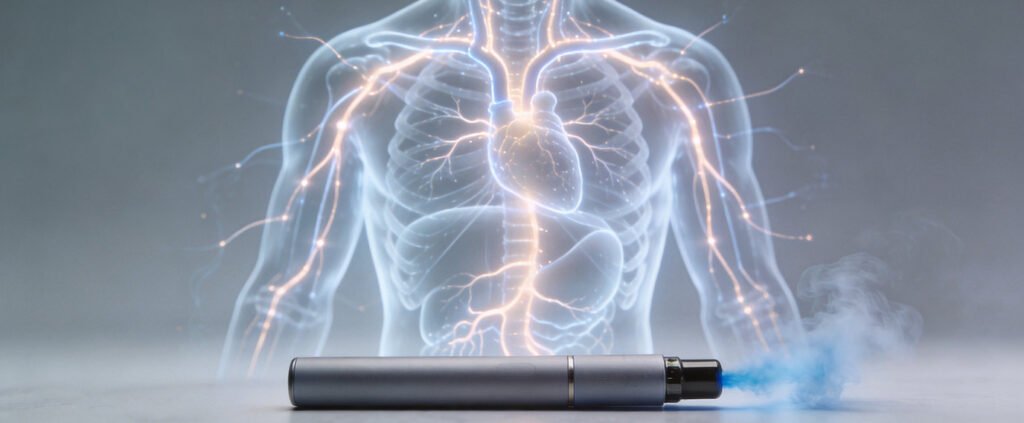
Table of Contents
How Long Does Nicotine Stay in Your System?
For most people, nicotine itself has a relatively short presence in the body. The average Half-life of nicotine is about two hours, meaning the amount of nicotine in the bloodstream decreases by roughly half during this period.
After several hours, nicotine levels drop significantly. In many cases, most nicotine is removed from the bloodstream within 24 hours after the last vaping session.
However, nicotine does not disappear immediately because the body converts it into cotinine. Cotinine has a much longer half-life, around 16 hours, which allows it to remain detectable for several days.
A general timeline looks like this:
- Nicotine: Usually detectable for several hours to about one day
- Cotinine: Commonly detectable for several days
- Heavy or frequent vaping: May result in longer detection periods
This is why someone may test positive for nicotine exposure days after their last vape, even though nicotine itself is no longer present at high levels.
What Happens to Nicotine Inside Your Body?

When you inhale vapor containing nicotine, it quickly travels from the lungs into the bloodstream and reaches the brain. There, nicotine interacts with nicotinic acetylcholine receptors, stimulating the release of chemicals such as Dopamine, which is associated with pleasure, reward, and motivation.
This process creates the short-term effects many nicotine users recognize, including:
- Increased alertness and focus
- Temporary feelings of relaxation
- Reduced nicotine cravings in regular users
After nicotine produces these effects, the body begins metabolizing it. The primary pathway involves an enzyme called CYP2A6, which is responsible for converting nicotine into cotinine.
The speed of this process varies between individuals. Some people naturally break down nicotine faster due to genetic differences in enzyme activity, while others may process it more slowly.
How Long Can Nicotine Be Detected in Different Tests?
When people search for how long does nicotine stay in your system after vaping, they are often asking because they want to know how long nicotine can be detected. The answer depends on the type of test being used.
(1) Urine Test
A Urine test is one of the most common methods used to detect nicotine exposure. Because cotinine remains in the body longer than nicotine, most urine tests measure cotinine levels rather than nicotine itself.
Typical detection windows:
- Nicotine: up to several days in some cases
- Cotinine: around several days, depending on usage patterns
People who vape occasionally may clear cotinine faster, while daily users may have detectable levels for a longer period.
(2) Blood Test
A Blood test can measure nicotine and cotinine levels more directly. Because nicotine is quickly metabolized, blood tests are better at showing recent exposure rather than long-term use.
Typical detection:
- Nicotine: several hours
- Cotinine: several days
(3) Saliva Test
A Saliva test can also detect nicotine exposure. It is often used because collecting saliva is simple and non-invasive. Detection times are generally similar to other short-term testing methods, with cotinine remaining longer than nicotine.
(4) Hair Test
A Hair test provides a much longer detection window. Because hair grows slowly, nicotine-related compounds may be detected for weeks or months. However, hair testing is less commonly used for nicotine screening compared with urine or blood tests.
What Factors Affect How Long Nicotine Stays in Your System?
There is no universal timeline that applies to every vaper. Several factors influence nicotine metabolism and detection time.
(1) How Often You Vape
A person who vapes occasionally will generally eliminate nicotine faster than someone who uses nicotine products throughout the day.
Frequent vaping creates repeated nicotine exposure, which can maintain higher cotinine levels in the body.
(2) Nicotine Strength
The nicotine concentration of a vape product plays an important role. Higher-strength products deliver more nicotine per puff, which may increase the amount of nicotine your body needs to process.
Nicotine salt products, commonly used in many disposable vapes and pod systems, are designed to deliver nicotine efficiently and may result in higher nicotine intake compared with lower-strength e-liquids.
(3) Metabolism and Genetics
Your Metabolism affects how quickly your body processes nicotine.
The CYP2A6 enzyme varies between individuals, meaning some people naturally break nicotine down faster than others. Age, genetics, liver function, and overall health can all influence this process.
(4) Hydration and Lifestyle
Drinking enough water supports normal kidney function, which helps the body remove waste products. However, drinking excessive amounts of water will not instantly “flush” nicotine from your system.
Healthy habits such as regular exercise, balanced nutrition, and good sleep can support overall recovery after reducing or stopping nicotine use.
How Long After Quitting Vaping Does Nicotine Leave Your Body?
Nicotine levels begin falling shortly after your last vape. However, the body and brain may need more time to adjust, especially for people who have used nicotine regularly.
A general timeline after quitting may look like this:
- Within hours: Nicotine levels start decreasing rapidly.
- After one day: Most nicotine has been removed from the bloodstream.
- After several days: Cotinine levels continue declining, and nicotine-related compounds are gradually eliminated.
- After several weeks: The brain continues adapting to lower nicotine exposure, and cravings often become less intense.
This adjustment period is linked to Nicotine withdrawal, which occurs because the brain has adapted to regular nicotine stimulation.
Common withdrawal symptoms include:
- Strong cravings
- Irritability
- Trouble concentrating
- Mood changes
- Increased appetite
- Restlessness
Withdrawal experiences vary widely. Some people experience mild symptoms, while others may find the adjustment period more challenging.
Can You Speed Up Nicotine Removal?
There is no scientifically proven method to remove nicotine from your body instantly. The process mainly depends on your body’s natural metabolism.
However, several healthy habits may support your body while nicotine levels decrease:
- Stay hydrated
- Exercise regularly
- Maintain a balanced diet
- Get enough sleep
- Avoid additional nicotine exposure
For people trying to quit vaping, reducing nicotine intake gradually or using evidence-based cessation methods may make the transition easier.
According to the Centers for Disease Control and Prevention, nicotine is highly addictive, and quitting can involve withdrawal symptoms as the brain adjusts to lower nicotine levels. National Institute on Drug Abuse also notes that nicotine addiction involves changes in brain reward pathways, which is why cravings may continue even after nicotine leaves the body.
Final Thoughts
Understanding how long does nicotine stay in your system after vaping can help users make more informed decisions about nicotine use, testing, and quitting. While nicotine itself disappears relatively quickly, cotinine can remain in the body for much longer, which explains why nicotine exposure may still be detected days after vaping.
The most important factors affecting nicotine clearance are how often you vape, how much nicotine you consume, and how your body naturally processes substances. Whether you are cutting back or quitting completely, knowing how nicotine works inside your body is an important step toward making informed health choices.
FAQ
(1) How long does nicotine stay in your system after vaping?
Nicotine usually leaves the bloodstream within about a day, but cotinine, the main nicotine metabolite, can remain detectable for several days depending on vaping habits, nicotine strength, and individual metabolism.
(2) How long does nicotine stay in your system if you vape every day?
Daily vaping can lead to higher cotinine levels, which may take longer to clear compared with occasional vaping. Detection time depends on how much nicotine is consumed and how quickly your body metabolizes it.
(3) Does drinking water remove nicotine faster?
No. Water supports normal body functions but does not significantly speed up nicotine metabolism. The liver and kidneys naturally process and remove nicotine-related compounds over time.
(4) How long do nicotine withdrawal symptoms last after quitting vaping?
Withdrawal symptoms often appear within the first few days after quitting and gradually improve over several weeks. The intensity depends on nicotine dependence and individual factors.