California continues to maintain one of the most comprehensive regulatory frameworks for tobacco and vaping products in the United States, and the California Cigarette and Tobacco Products Licensing Act of 2003 remains a cornerstone of that system. Administered by the California Department of Tax and Fee Administration (CDTFA), the law establishes licensing requirements for businesses involved in the sale, distribution, manufacturing, and importation of cigarettes and tobacco products—including many electronic vaping products.
For California vape retailers, distributors, and manufacturers operating in California, understanding these licensing obligations is essential. The Act does more than require a business license—it creates a compliance framework intended to improve oversight of tobacco and nicotine products while helping state authorities address illegal sales and tax evasion.
Table of Contents
Electronic Vaping Products Fall Within the Licensing Framework

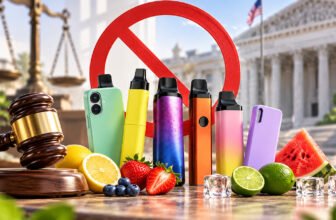
California significantly expanded the scope of its tobacco licensing rules in 2016. Since January 1, 2017, the definition of a tobacco product has included electronic smoking and vaping devices that deliver nicotine or other vaporized liquids, as well as their components, parts, and accessories. This means products such as e-cigarettes, vape tanks, mods, and nicotine e-liquids are generally subject to the state’s retailer licensing requirements. FDA-approved smoking cessation products, however, are excluded from this definition.
The expanded definition reflects California’s broader regulatory approach, recognizing that the vaping market has become an important part of the state’s tobacco product landscape.
Who Needs a License Under the California Cigarette and Tobacco Products Licensing Act?

Under the Licensing Act, every retailer selling cigarettes or covered tobacco products from a California retail location must obtain a valid Cigarette and Tobacco Products Retailer’s License, often referred to as a California tobacco license, before making sales. This requirement applies to specialty vape shops, convenience stores, smoke shops, and businesses operating cigarette or tobacco vending machines.
The law also extends beyond retailers. Depending on business activities, wholesalers, distributors, manufacturers, and importers may need additional licenses issued by the CDTFA. Businesses that perform multiple roles—for example, operating both retail and wholesale activities—may be required to maintain more than one license.
For retailers with multiple storefronts, each physical location must hold its own retailer’s license. Licenses cannot be transferred between locations or owners and must be renewed annually.
Licensing Is Only One Part of Compliance
Obtaining a retailer’s license does not replace other legal obligations. Depending on how a business operates, retailers may also need a seller’s permit, while businesses selling nicotine-containing electronic cigarettes may be required to register for California’s Electronic Cigarette Excise Tax (CECET) account. Out-of-state sellers shipping nicotine vaping products directly to California consumers may face additional registration requirements under both state law and the federal PACT Act.
California also reminds prospective license holders that local governments may impose their own licensing or permitting requirements, which can be more restrictive than state rules. Businesses are encouraged to verify local regulations before beginning operations.
Responsibilities for Licensed Retailers
The Licensing Act imposes ongoing compliance responsibilities after a license is issued. Retailers must prominently display their license at each retail location and maintain a valid license for every store where regulated products are sold. Annual renewal is mandatory, and businesses that fail to renew on time may lose their authorization to continue selling tobacco or vaping products.
The CDTFA also advises retailers to purchase products only from properly licensed wholesalers or distributors. Maintaining accurate business records and complying with state tax and licensing requirements are important components of remaining in good standing.
Businesses operating without the required licenses may face significant penalties, including fines and potential criminal consequences under California law.
Implications for the Vape Industry

California’s licensing framework illustrates how vaping products are increasingly regulated alongside traditional tobacco products. Rather than creating a separate licensing system for electronic cigarettes, the state has integrated nicotine vaping devices into its existing tobacco regulatory structure.
For vape businesses, compliance now extends well beyond product sourcing and inventory management. Companies must ensure that every retail location is properly licensed, renew licenses on schedule, understand tax registration obligations, and stay informed about both state and local regulatory requirements.
As more states adopt increasingly detailed licensing, registration, and product oversight programs, California’s long-established framework continues to serve as one of the most influential California regulation models in the U.S. vaping industry. Businesses operating across multiple states may find that maintaining regulatory compliance has become just as important as managing product selection and customer demand.