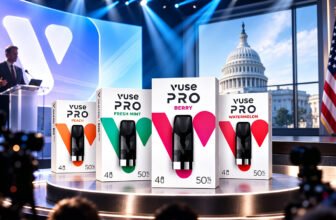
Wisconsin has formally implemented its Electronic Vaping Device Directory, introducing a new compliance framework that directly affects which vaping products may be legally sold within the state. Administered by the Wisconsin Department of Revenue (DOR), the directory is a public list of electronic vaping devices that manufacturers have certified to meet the requirements of Wisconsin Statute §995.15.
The new system represents a significant regulatory change for manufacturers, distributors, wholesalers, and retailers operating in Wisconsin. Often referred to as the Wisconsin vape directory, the official listing determines which electronic vaping devices may be legally sold within the state. In the future, products that do not appear on the official directory may be subject to enforcement actions, making regulatory compliance an increasingly important part of doing business in the state’s vaping market.
Table of Contents
A Directory That Determines Which Products Can Be Sold

Unlike a general product database, Wisconsin’s Electronic Vaping Device Directory functions as a regulatory compliance tool within the state’s broader vaping regulation system. Manufacturers must certify that their electronic vaping devices satisfy the statutory requirements before those products are added to the publicly available list maintained by the Department of Revenue.
Beginning September 1, 2025, electronic vaping devices that are not listed on the directory generally cannot be sold, offered for sale, or possessed for sale in Wisconsin. State law also authorizes the seizure and destruction of non-compliant products and allows penalties to be imposed on manufacturers and retailers that continue selling unlisted devices.
The directory is searchable online, allowing retailers and distributors to verify whether a specific device has been certified before stocking or selling it. This provides a centralized compliance reference while giving state regulators a clearer mechanism for enforcement.
Delayed Enforcement for Hemp Disposable Vapes in Wisconsin

Wisconsin’s law also applies to certain hemp disposable vape products, although these products follow a delayed enforcement schedule compared with nicotine-containing electronic vaping devices.
The requirement covers electronic vaping devices containing hemp but no nicotine. Manufacturers must complete certification requirements and submit eligible products for inclusion in the directory before the enforcement deadline. The delayed timeline gives businesses additional time to review inventory, complete certification procedures, and prepare for compliance.
| Date | Compliance Milestone |
| July 1, 2026 | Manufacturers must certify eligible hemp-containing electronic vaping devices for inclusion in the directory. |
| September 1, 2026 | Enforcement begins for unlisted hemp vaping devices. Non-compliant products may face removal actions and civil forfeiture penalties. |
The phased implementation reflects Wisconsin’s approach of bringing both nicotine-containing electronic vaping devices and hemp-derived vaping products under the same directory framework while allowing additional preparation time for hemp product manufacturers.
Does Wisconsin Ban Flavored Vapes?
One common question among consumers and retailers is: Does Wisconsin ban flavored vapes?
Unlike states that have introduced specific statewide flavor restrictions, Wisconsin’s vape law does not create a general flavor ban through the Electronic Vaping Device Directory. Instead, the directory focuses on product registration, certification, and compliance requirements.
This means the Wisconsin vape directory is primarily designed to identify which products are eligible for legal sale rather than automatically prohibit all flavored vape products. Flavored disposable vapes and other products may still be listed if they satisfy applicable state requirements.
For consumers searching for terms such as “Wisconsin flavor ban” or “are flavored vapes legal in Wisconsin”, understanding the difference between a product directory system and a flavor restriction is essential.
What Products Are Listed on the Wisconsin Electronic Vaping Device Directory?
Wisconsin’s directory follows a product-listing model that has become increasingly common among U.S. states seeking stronger oversight of vaping products. Rather than simply regulating businesses, these systems focus on identifying which individual products may legally enter the retail market.
Similar state directories may include different categories of electronic vaping products depending on local requirements. Some states emphasize products with federal authorization, while others also include registered vaping products that meet state-specific criteria.
Wisconsin’s approach is closer to states such as Nebraska, where product directories can include FDA-authorized products as well as other registered vapor products that satisfy state requirements. This makes Wisconsin’s system different from a complete product ban and highlights the importance of checking official listings before distribution or retail sales.
Part of a Broader Regulatory Trend
Wisconsin is one of several U.S. states adopting product directory systems for electronic nicotine delivery products. The new requirements established under Wisconsin Electronic Vaping Device Directory reflect a broader movement among states to strengthen oversight of vaping products entering the retail market. Similar regulatory models have emerged elsewhere as states seek to strengthen oversight of products entering retail channels and improve enforcement against products that fail to meet applicable legal requirements.
Many of these state programs are designed to work alongside the federal regulatory framework administered by the U.S. Food and Drug Administration (FDA), particularly the agency’s oversight of electronic nicotine delivery systems (ENDS). Although state directory requirements vary, they generally focus on ensuring that products sold within the state satisfy specified statutory conditions before reaching consumers.
For manufacturers distributing products nationally, this growing patchwork of state-specific directory laws means compliance strategies may increasingly need to account for individual state requirements rather than relying solely on federal regulations.
What the New Rules Mean for Businesses

The implementation of Wisconsin’s directory places new compliance responsibilities on every level of the vaping supply chain.
Manufacturers must ensure that eligible products are properly certified and remain listed on the state’s directory. Distributors and wholesalers should verify product status before shipping inventory into Wisconsin. Retailers, including vape shops, convenience stores, and other licensed sellers, are expected to confirm that products offered for sale appear on the official directory to reduce the risk of enforcement actions.
Businesses that continue selling products removed from or absent from the directory could face product seizure, financial penalties, and potential disruption to inventory management. As a result, regular monitoring of the directory is likely to become part of routine compliance procedures for companies operating in the Wisconsin market.
Looking Ahead
The Wisconsin Electronic Vaping Device Directory marks another step in the evolving regulatory landscape for vaping products in the United States. Rather than introducing a product ban, the system establishes a structured approval and verification process intended to identify which electronic vaping devices may be legally sold within the state.
The United States is still one of the most prominent and complicated vape markets around the world. Regulations and laws on e-cigarettes vary regionally. Gladly, we’ve prepared a table that contains vape bans by state and you can see whether you can order vapes online to your address or not. We will keep the table updated on time.
As more states adopt similar directory-based compliance programs, manufacturers and retailers may need to devote greater attention to regulatory monitoring alongside product development and distribution. For businesses serving multiple U.S. markets, maintaining up-to-date compliance records is becoming just as important as managing inventory and consumer demand.