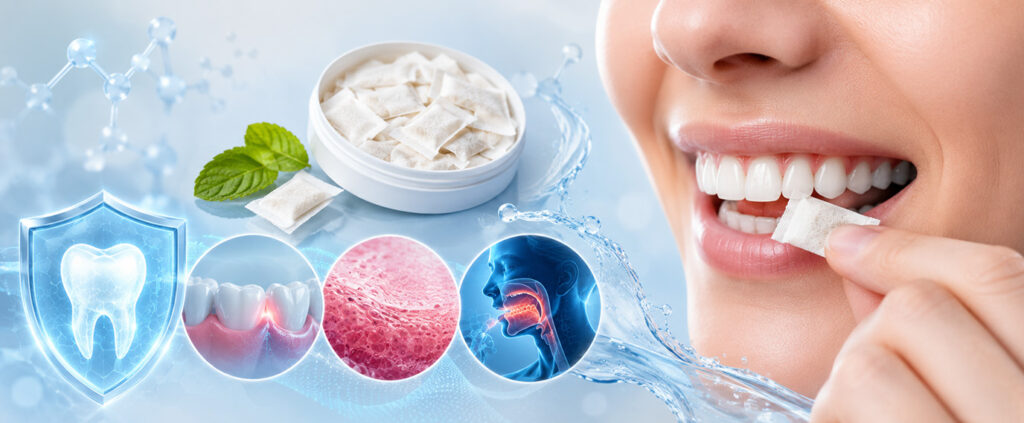
In recent years, nicotine pouches have become one of the fastest-growing categories in the alternative nicotine market. For many adult nicotine users, they offer a smoke-free and discreet way to consume nicotine without cigarettes, ash, or vapor clouds.
As more people add nicotine pouches to their daily routines, one question keeps coming up: Can nicotine pouches cause changes to your oral health? The answer is not simply yes or no.
Compared with cigarettes, nicotine pouches eliminate many combustion-related exposures, including exposure to smoke, tar, and other chemicals produced when tobacco burns. However, they still deliver nicotine through direct contact with the oral tissues, typically between the gum and upper lip. Frequent or long-term use in the same area may contribute to localized oral changes, such as gum irritation, sensitivity, dryness, or changes in the appearance of oral tissue.
Understanding how nicotine pouches interact with oral health does not mean assuming they are the same as smoking. Instead, it provides a clearer guide for users to recognize possible oral risks, practice better oral care, and make informed decisions about their nicotine use habits.
Table of Contents
What Are Nicotine Pouches
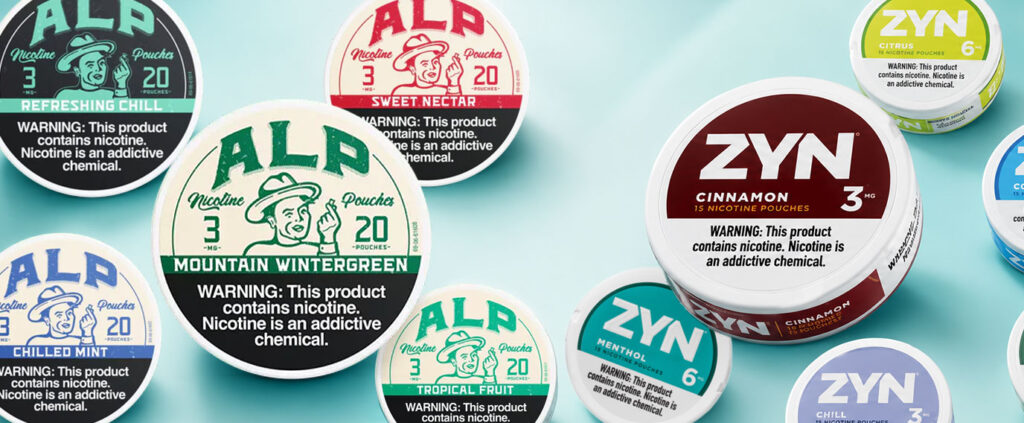
Nicotine pouches are small, tobacco-free oral nicotine products, with no tobacco leaf, combustion, or smoke. They are made of nicotine, plant-based fibres or cellulose, flavourings, sweeteners, and pH adjusters.
So how are nicotine pouches made? These pouch ingredients are carefully combined and filled into pouch materials designed to release nicotine and flavourings gradually during use while maintaining comfort in the mouth. Different manufacturers adjust their formulas by changing moisture levels, nicotine strengths, and flavour profiles to create different pouch formats and user experiences.
How Nicotine Pouches Interact with Your Mouth
Your mouth is not just a place where nicotine enters the body. It is a complex biological environment made up of teeth, gums, saliva, bacteria, and immune defenses that work together to maintain oral health.
When a nicotine pouch is placed between the upper lip and gum, the pouch will release nicotine and other ingredients into saliva, allowing nicotine to be absorbed through the oral mucosa. Because the pouch remains in direct contact with one specific site, repeated pouch use may lead to localized reactions in the surrounding tissue.
Unlike smoking, where the entire mouth is exposed to cigarette smoke, nicotine pouch exposure is mainly concentrated at the placement site. This localized and repeated contact is why researchers are studying possible oral effects, including gum irritation, oral mucosal changes, gum recession, and other tissue responses.
Do Nicotine Pouches Cause Gum Recession
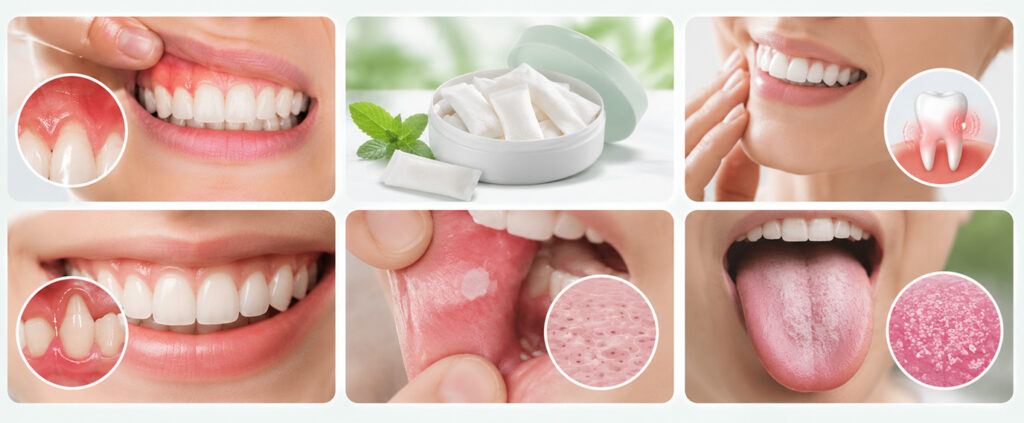
Gum irritation and sensitivity are among the most commonly reported concerns among nicotine pouch users. Because the pouch remains in direct contact with gum tissue, some users may experience mild burning, tingling, redness, tenderness, or increased sensitivity, especially when using the pouches at the same placement area repeatedly.
Gum recession happens when gum tissue gradually pulls away from the tooth, exposing more of the tooth surface and potentially increasing sensitivity. Some studies have observed gum recession and local gum changes among nicotine pouch users, particularly at the usual placement site. However, current research does not prove that nicotine pouches directly cause gum recession.
Other factors, including brushing habits, genetics, previous tobacco use, and existing oral health, may also affect gum conditions. Rotating pouch placement areas and maintaining good oral hygiene may help reduce repeated gum symptoms at a specific site.
Why Do Nicotine Pouches Burn
Dry mouth and oral discomfort are other experiences reported by some nicotine pouch users. Saliva plays an important role in oral health by helping clean the mouth, protect teeth, control bacteria, and maintain a balanced oral environment.
Some users may notice dryness, a sticky feeling, increased thirst, or mild soreness and irritation in the area where the pouch is placed. These experiences can vary from person to person and may be influenced by individual response and usage habits.
Nicotine may affect saliva production, although the impact differs among users. Staying hydrated, maintaining good oral hygiene, and adjusting usage patterns may help reduce discomfort.
Oral Mucosal Changes & White Patches
Some nicotine pouch users may notice changes in the appearance or texture of the area where the pouch is placed. These changes may include white patches, lighter-colored areas, thicker-feeling tissue, or changes in surface texture.
A 2026 Swedish clinical study, reported by 2FIRSTS and VAPING360, examined oral conditions among young nicotine pouch users and found that 79% of examined nicotine pouch users showed oral mucosal lesions at the usual pouch placement site. Researchers suggested that repeated local exposure may influence how oral tissues respond over time. However, these changes do not automatically mean serious disease or permanent damage.
Oral tissue responses may vary depending on factors such as nicotine strength, pouch moisture level, flavor ingredients, pH, and frequency of use. If unusual patches or tissue changes continue for an extended period, users should consider seeking advice from a dental professional.
Do Nicotine Pouches Cause Mouth Cancer
When it comes to nicotine pouches and cancer risk, one of the most common questions users ask is: Do nicotine pouches cause mouth cancer?
Current evidence does not show that nicotine pouches cause mouth cancer or other types of cancer. Unlike traditional tobacco products, nicotine pouches do not contain tobacco leaf and do not involve combustion, meaning users are not exposed to tobacco smoke, tar, or any other harmful chemicals produced during combustion.
However, as nicotine pouches are placed directly against the gum, current research has focused on how repeated exposure to nicotine, flavourings, and pouch materials may affect oral tissues over time. Studies so far have mainly examined local oral effects, including gum irritation, white patches, and other oral changes at the pouch placement site.
It is important to understand that these oral changes do not necessarily indicate cancer. Similar changes can occur due to repeated contact, friction, or local irritation. Since nicotine pouches are still relatively new products, more long-term research is needed to better understand their potential effects on oral health.
How Can Nicotine Pouch Users Protect Their Oral Health
One of the best ways to reduce oral health risks is to prioritize good oral care. For nicotine pouch users, maintaining good oral care habits and paying attention to changes in the mouth can help support better long-term oral health.
(1) Rotate placement areas
Avoid placing the pouch in the same spot every time. Changing placement sites may help reduce repeated exposure and pressure on one specific area of gum tissue.
(2) Maintain good oral hygiene
Regular brushing, flossing, drinking enough water, and routine dental checkups remain important for keeping gums and teeth healthy.
(3) Avoid excessive use
Using multiple pouches throughout the day or keeping them in a fixed place for extended periods may increase repeated exposure to oral tissues.
(4) Pay attention to oral changes
Mild irritation, tingling, or sensitivity may occur for some users, but persistent symptoms should not be ignored. If you notice ongoing white patches, soreness, gum recession, bleeding, or unusual tissue changes, consider adjusting your usage habits and monitoring your symptoms.
When Should You See a Dentist
Not every oral change from nicotine pouch use means there is a serious problem. Mild irritation, sensitivity, or discomfort may improve after changing pouch placement, reducing use, or giving time to recover.
However, if you notice changes that do not go away or continue to get worse, it is a good idea to check with a dental professional. This is especially important for symptoms such as:
- Persistent white patches or unusual areas in the mouth
- Ongoing soreness or burning sensations
- Gum recession or noticeable changes around the teeth
- Bleeding gums
- Tissue changes that continue over time
A dentist can help identify whether these changes are related to nicotine pouch use or other factors, such as oral hygiene habits, gum health, or existing dental issues. Regular dental visits can also help catch potential problems before they become more difficult to manage.
Final Thoughts
Nicotine pouches (e.g., ZYN, ALP) offer a smoke-free way to consume nicotine, but they are not completely without potential oral risks. Since the pouch stays in direct contact with gum tissue, users should pay attention to their oral health, maintain good hygiene habits, and avoid repeated irritation in the same area. As research continues, a clearer understanding of the long-term relationship between nicotine pouch use and oral health will continue to develop.
FAQs
Q1: Are Nicotine Pouches Bad for Your Gums?
Nicotine pouches may cause localized gum irritation in some users, especially when the pouch is repeatedly placed in the same area. Possible effects include sensitivity, redness, soreness, or changes in tissue appearance. However, current research does not prove that nicotine pouches directly cause permanent gum damage.
Q2: Can You Fly with Nicotine Pouches?
In many countries, nicotine pouches can be carried on flights for personal use. However, regulations vary depending on the destination country and local laws. Travelers should check the rules of their airline and destination before flying.
Q3: Are Nicotine Pouches Safer Than Smoking?
Nicotine pouches and cigarettes are different products with different exposure patterns. Nicotine pouches do not involve combustion, smoke, or tar exposure, but they are not risk-free. They can still affect oral tissues and contain addictive nicotine.