A clogged vape pen can be frustrating, especially when you are expecting a smooth draw but suddenly experience weak airflow, reduced vapor, or no vapor at all. Learning how to unclog a vape pen starts with understanding why blockages happen in the first place. For cannabinoid vape devices, clogging is often related to the thick consistency of THC oil, CBD oil, and other cannabis concentrates, along with factors such as temperature changes, residue buildup, and storage habits.
Unlike traditional nicotine e-liquids, cannabis extracts are naturally thicker and can become even more viscous in colder environments. This makes vape pens using THC cartridges, CBD cartridges, and other concentrate-based products more likely to develop airflow problems over time. In many cases, a clogged vape pen does not mean the cartridge is empty or unusable. With the right approach, users can often restore airflow and improve performance without damaging the device.
Table of Contents
How to Unclog a Vape Pen: Understanding the Common Causes
The most common reason a vape pen becomes clogged is the thickness of cannabinoid oil. Products such as THC distillate, live resin, and other cannabis concentrates have a much denser consistency than standard e-liquids. For readers who are new to cannabis vaping, understanding cannabinoid vape basics can help explain how different extracts, cartridge designs, and device settings affect performance. When the oil does not move efficiently through the cartridge, it can collect around the intake holes, center tube, or mouthpiece, restricting airflow.
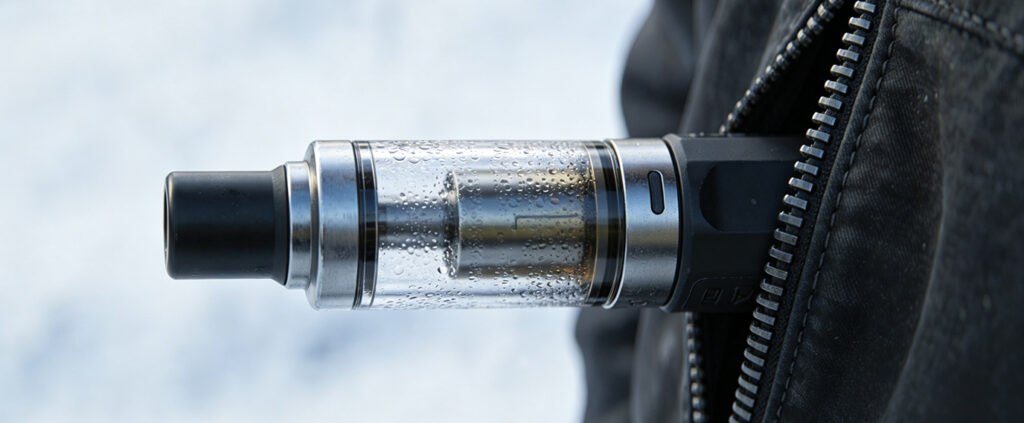
Temperature plays a major role in how well cannabis oil flows. When a vape cartridge is exposed to cold conditions, the oil can become thicker and harder to vaporize. A cartridge left in a cold car, for example, may feel clogged simply because the oil has temporarily changed consistency.
Another common cause is residue buildup inside the mouthpiece. During normal use, small amounts of vaporized oil can cool and collect in the airflow pathway. Over time, this buildup may reduce airflow and create a tighter draw.
Storage position can also affect cartridge performance. Keeping a vape cartridge on its side for extended periods may allow oil to move toward the mouthpiece or airflow channels, increasing the chance of blockage. Proper storage is especially important for thicker cannabis oils, which do not always flow back easily once they settle in unwanted areas.
Sometimes, what feels like a clog is actually a battery or connection issue. A weak battery, dirty connection points, or an unsuitable voltage setting can reduce vapor production and make users think the cartridge is blocked when the problem is elsewhere.
How to Unclog a Vape Pen Safely
If your vape pen is difficult to inhale from or produces less vapor than usual, several safe methods may help improve airflow.
(1) Warm the Cartridge Gradually
Gently warming the cartridge is one of the most common ways to deal with thick cannabis oil. As the oil warms, its viscosity decreases, allowing it to flow more easily through the cartridge.
The safest approach is to warm the cartridge naturally by holding it in your hands for a few minutes or allowing it to reach room temperature. If your battery has a preheat function, use it according to the manufacturer’s instructions. Preheat modes are designed to gradually warm the oil before vaping and can be especially useful for thicker concentrates.
Avoid using direct heat sources such as lighters, open flames, or high-temperature devices. Excessive heat can damage cartridge components, affect oil quality, and create unnecessary safety risks.
(2) Clean the Mouthpiece Carefully
If the blockage is caused by visible residue near the mouthpiece, cleaning the opening may help restore airflow. Inspect the mouthpiece and remove any buildup from the surface using a clean material.
Avoid inserting sharp objects into the cartridge. While it may seem like a quick way to clear a blockage, it can damage internal components or push oil deeper into the airflow system.
Regularly checking the mouthpiece is also a simple way to prevent minor buildup from becoming a larger clog.
(3) Check the Battery and Connection
Before replacing a cartridge, make sure the battery and connection are working properly. A cartridge that receives insufficient power may produce weak vapor or require stronger draws, creating the impression of a clog.
Check that the battery is charged and that the cartridge is firmly connected. If oil residue has collected around the connection area, gently clean the contact points before reconnecting the device.
For adjustable voltage batteries, avoid using settings that are too high. Excessive heat can cause oil to burn unevenly, create residue, and negatively affect both flavor and cartridge performance.
(4) Use Slower, More Controlled Draws
The way you use a vape pen can influence how quickly clogging occurs. Taking very strong or repeated pulls may draw excess oil into the airflow pathway, increasing condensation and residue buildup.
A slower, steady inhale allows the heating element to vaporize the oil more efficiently and reduces the chance of liquid accumulation inside the cartridge.
What Not to Do When Fixing a Clogged Vape Pen
Some common “quick fixes” can actually make the problem worse. Avoid blowing forcefully into the mouthpiece, as this may push oil into areas where it can further restrict airflow or cause leakage.
It is also not recommended to disassemble sealed cartridges. Most modern THC and CBD cartridges are designed as closed systems, and opening them can damage the hardware or expose the oil to contamination.
Using excessive heat is another mistake to avoid. While mild warming can improve oil flow, overheating may degrade cannabinoids, damage seals, or shorten cartridge lifespan.
If a cartridge remains clogged after basic troubleshooting, the problem may be caused by damaged hardware or a manufacturing issue rather than a simple airflow restriction.
How to Prevent Vape Pen Clogs
Preventing clogs begins with proper storage and consistent device care. Keeping cartridges upright helps prevent oil from collecting around the mouthpiece and airflow channels.
Temperature control is equally important. Avoid leaving vape pens in places with extreme heat or cold, such as direct sunlight, vehicles, or outdoor environments during freezing weather. Stable room-temperature storage helps maintain a more consistent oil texture.
Using compatible batteries and recommended voltage settings can also extend cartridge performance. Too much heat can cause inefficient vaporization, increasing residue buildup inside the device.
It is also helpful to avoid storing partially used cartridges for long periods. Over time, cannabinoid oil may become thicker, and residue may accumulate inside the airflow pathway, making the cartridge harder to use when you return to it.
When Should You Replace a Vape Cartridge
Not every clog can be fixed. If a vape cartridge remains difficult to draw from after cleaning and warming, the internal airflow system may be permanently blocked.
Other signs that a cartridge may need replacement include leaking, damaged hardware, unusual oil appearance, or a persistent burnt taste. Attempting to continue using a damaged cartridge may lead to a poor experience and reduced performance.
In these situations, replacing the cartridge is usually a better option than trying to force a repair.
Final Thoughts
Understanding how to unclog a vape pen can help users solve one of the most common issues with THC, CBD, and other cannabinoid vape devices. Most clogs are caused by thick oil, residue buildup, temperature changes, or storage conditions rather than a completely failed device.
Gentle warming, careful cleaning, battery checks, and better storage habits can often restore airflow and improve performance. At the same time, avoiding aggressive methods and excessive heat helps protect the cartridge and preserve oil quality.
For cannabinoid vape users, prevention remains the most effective strategy. Storing cartridges properly, using suitable settings, and handling devices carefully can reduce clogging issues and provide a smoother, more consistent experience.
FAQs
(1) Why is my vape pen clogged?
A vape pen usually becomes clogged because of thick cannabinoid oil, residue buildup, temperature changes, or improper storage. THC and CBD vape cartridges often contain thicker oils than traditional e-liquids, which can become more viscous in cold environments and restrict airflow. A clogged mouthpiece or airflow pathway can also make a cartridge feel blocked.
(2) How do I unclog a vape pen quickly?
The easiest way to unclog a vape pen is to gently warm the cartridge, clean the mouthpiece, and check the battery connection. Warming the cartridge can help loosen thick cannabis oil, while removing visible residue from the mouthpiece may improve airflow. Avoid using direct heat sources or sharp objects, as they may damage the cartridge.
(3) Can I use heat to unclog a THC cartridge?
Yes, gentle warming can help unclog a THC cartridge by making thick oil flow more easily. Holding the cartridge in your hands or using a device’s built-in preheat function are safer options. However, avoid using lighters, open flames, or excessive heat because high temperatures may damage the cartridge or affect the oil quality.
(4) Why is my vape pen hard to pull but still has oil?
If your vape pen still contains oil but is difficult to inhale from, the issue is often related to airflow restriction rather than an empty cartridge. Common causes include thick oil near the mouthpiece, residue buildup, or oil that has become less fluid due to cold temperatures. Checking the mouthpiece and gently warming the cartridge may help.
(5) Can a clogged vape cartridge fix itself?
Sometimes a clogged vape cartridge can improve after returning to room temperature, especially if cold temperatures caused the oil to become too thick. However, residue buildup or internal airflow blockages usually require cleaning or other troubleshooting methods. If the cartridge remains clogged after basic fixes, replacement may be necessary.
(6) Why does my THC cartridge keep getting clogged?
A THC cartridge may repeatedly clog because of thick oil consistency, frequent use, improper storage, or unsuitable battery settings. Keeping cartridges upright, avoiding extreme temperatures, and using the recommended voltage can reduce the chance of repeated clogging.