When a vape stops hitting, blinks unexpectedly, or produces weak or burnt vapor, most users assume the device is “broken”. In reality, the majority of vape issues are caused by a small set of predictable factors—many of which can be fixed in seconds. Understanding how your device behaves under different conditions is the key to quickly diagnosing problems and avoiding unnecessary replacements.
This guide breaks down the most common reasons a vape stops working, how to fix them efficiently, and how to prevent the issue from happening again. It applies to disposable vapes, pod vapes, and most refillable setups, though specific symptoms may vary slightly depending on device design.
Table of Contents
Understanding What “Not Working” Actually Means
Before jumping into fixes, it’s important to define what “not working” looks like, because different symptoms point to different failures. A vape that does not produce vapor at all usually has power, connection, or airflow detection issues. A vape that lights up but produces no vapor often indicates coil or wick failure. A vape that produces weak vapor or a burnt taste typically signals airflow restriction, low liquid saturation, or overheating.
Modern devices—especially pod systems and disposables—use compact circuitry and auto-draw sensors. That means even small disruptions like condensation in the airflow channel or a slightly misaligned pod can interrupt the entire system. Thinking in terms of “what changed right before it stopped working” is often more useful than guessing randomly.
The Most Common Reasons Your Vape Stops Working
Most vape issues fall into a few repeatable categories: power delivery, coil performance, airflow blockage, liquid supply, and sensor malfunction.
One of the most frequent problems is a dead or insufficient battery charge. Even if a device shows a light indicator, the voltage may not be high enough to heat the coil properly. This is especially common in high-wattage disposables nearing the end of their life cycle or pods that have been used heavily in short sessions.
Another major cause is coil degradation or burnout. Coils naturally accumulate residue from sweetened e-liquids, which reduces efficiency over time. Once the coil is saturated with residue or partially burned, it struggles to vaporize liquid evenly, leading to weak hits or a burnt taste.
Airflow obstruction is another overlooked issue. Pocket lint, condensation, or even overly tight lips on the mouthpiece can restrict airflow enough to prevent activation on draw-activated devices. Because airflow sensors rely on pressure change, even minor blockages can make the device feel completely dead.
A less obvious but increasingly common issue in modern devices is pod or cartridge connection failure. Magnetic pods may appear seated correctly but fail to make full electrical contact. Similarly, e-liquid leakage into the connector area can interrupt conductivity.
Finally, e-liquid saturation imbalance plays a role. If the wick is too dry, the coil overheats instantly; if it is oversaturated, airflow becomes flooded, and vapor production collapses. Both scenarios can make the device seem non-functional.
Step-by-Step Fixes for a Non-Working Vape
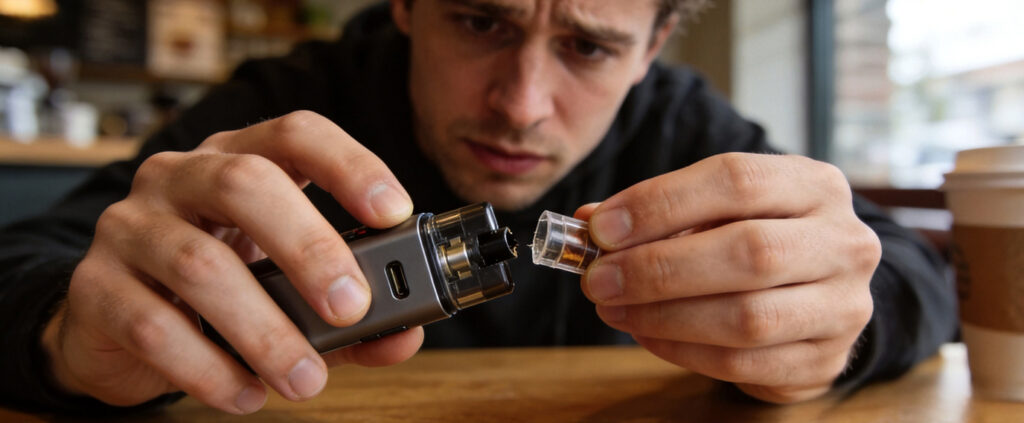
Most vape issues can be solved through a simple diagnostic sequence rather than guesswork. The goal is to isolate whether the problem is power, airflow, or coil-related.
(1) Check battery status and recharge the device fully using a stable power source. Avoid fast-charging bricks if the device is not designed for them.
(2) Inspect and reseat the pod or cartridge, ensuring it clicks firmly into place and the connectors are clean and dry.
(3) Clean the airflow inlet and mouthpiece using a dry tissue or cotton swab to remove condensation or debris.
(4) If the device has adjustable airflow, open it fully and test again to eliminate restriction issues.
(5) Replace or re-prime the coil or pod if flavor is burnt or vapor remains weak after charging and cleaning.
(6) Allow the device to rest for a few minutes if it has been chain-vaped, giving the wick time to re-saturate.
(7) If applicable, reset the device by turning it off and on or removing and reinstalling the pod to refresh the sensor cycle.
Hidden Issues Most Users Overlook
Beyond the obvious causes, there are a few less-discussed factors that often explain why a vape suddenly stops working.
One of them is a temperature-related performance drop. In cold environments, battery output drops significantly, especially in disposable vapes with non-regulated cells. This can make a fully functional device appear dead. Warming the device slightly in your hands often restores normal operation.
Another is overuse without rest cycles. Many modern coils, especially mesh designs, are optimized for short, consistent puffs rather than continuous chain vaping. Excessive rapid firing overheats the coil faster than the wick can recover, leading to temporary dry hits that mimic device failure.
Sensor fatigue in auto-draw systems is also real. When condensation builds up around airflow sensors, it can dampen responsiveness. This doesn’t always permanently damage the device, but can cause intermittent firing issues that confuse users.
Lastly, e-liquid viscosity mismatch matters more than most beginners realize. High-VG liquids are thicker and may not wick properly in small pod systems, especially those designed for nicotine salt formulations. This leads to dry hits and inconsistent vapor production that looks like a device malfunction.
How to Prevent Vape Issues in the Future
Prevention is largely about maintaining balance between usage habits and device limitations. Most problems come from pushing the device slightly beyond its intended operating range.
Keep your pod or tank clean and avoid letting condensation accumulate in the mouthpiece area. Charge your device before it fully drains, since deep discharge cycles reduce battery stability over time. Avoid excessive chain vaping, especially with compact devices that rely on passive wicking.
Equally important is using the correct e-liquid type for your device. Small pod systems perform best with nicotine salts and thinner liquid ratios, while sub-ohm tanks require higher VG blends. Mismatching these can silently degrade performance over time.
Finally, treat coil replacement or pod replacement as routine maintenance rather than a failure response. Once flavor drops or vapor weakens, continuing to use the same coil accelerates residue buildup and increases the likelihood of full burnout.
When Your Vape Is Actually Beyond Repair
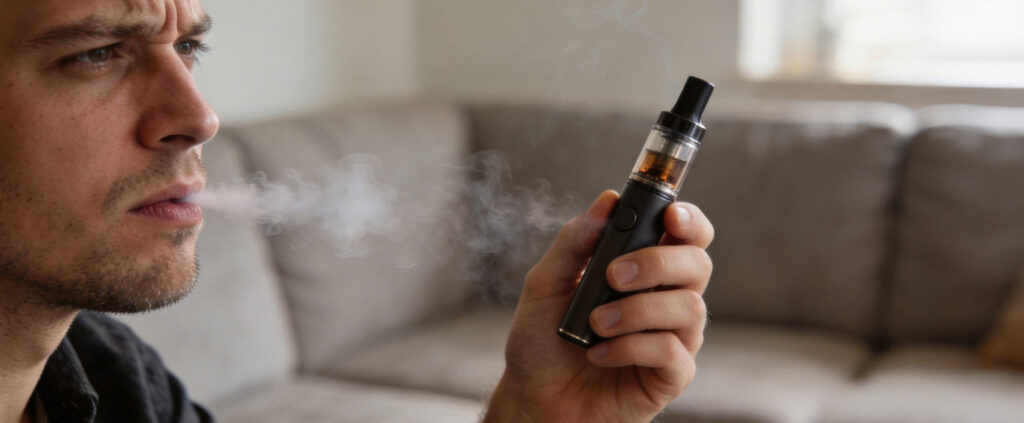
While most issues are fixable, there are cases where replacement is the only realistic option. If the device does not respond after full charging, pod reseating, and airflow cleaning, internal circuitry failure is likely. Similarly, if a disposable vape shows no vapor despite airflow and battery indicators working, the internal coil is likely burned out beyond recovery.
Physical damage such as cracked pods, flooded battery compartments, or corrosion around connectors also typically signals end-of-life for the device. In these cases, continued troubleshooting will not restore performance and may even pose safety risks.
Final Thoughts
A vape not working rarely means it is permanently broken. In most cases, the issue comes down to a small chain of predictable factors—battery output, airflow, coil condition, or liquid saturation. Once you understand how these systems interact, troubleshooting becomes fast and intuitive rather than frustrating.
The key insight is that modern vaping devices are not designed to fail suddenly; they degrade gradually. Recognizing early warning signs like reduced flavor, delayed firing, or inconsistent vapor output allows you to fix problems before they fully interrupt performance. For most users, that awareness alone is enough to keep devices running smoothly and extend their usable life significantly.
FAQs
(1) Why is my vape blinking but not hitting?
A blinking vape usually indicates low battery, poor pod connection, or a safety cutoff triggered by overheating. Try charging the device fully, reseating the pod, and cleaning the contact points before assuming it is defective.
(2) Why does my vape have no vapor even though it turns on?
If your device powers on but produces no vapor, the most common causes are a burnt coil, dry wick, or blocked airflow. Replacing the pod or allowing the wick to re-saturate often restores normal performance.
(3) Why does my vape suddenly taste burnt?
A burnt taste usually means the coil is overheating due to low e-liquid or overuse. Chain vaping, high wattage, or an almost empty pod are the most common triggers.
(4) Why is my disposable vape not hitting even when it’s charged?
In disposable vapes, this often happens when the internal coil is worn out, airflow is blocked, or the battery output is too weak to activate the heating system properly.
(5) How do I fix a pod vape that is not working?
Start by checking battery charge, then clean the contacts, reseat the pod, and ensure the airflow path is clear. If the issue continues, replacing the pod is usually the fastest fix.
(6) Can cold weather make my vape stop working?
Yes. Low temperatures can reduce battery efficiency and make vapor production weak or inconsistent. Warming the device slightly often restores normal performance.