Caffeine pouches are becoming a popular way to get an energy boost without drinking coffee or energy drinks. But are they actually safe? This guide explains how caffeine pouches work, their potential risks, and how to use them responsibly.
Table of Contents
1. What Are Caffeine Pouches?
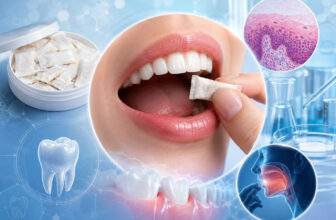
Caffeine pouches are nicotine-free, tobacco-free, and vapor-free. They are similar to nicotine pouches in appearance, but they’re caffeine products. Pouches with caffeine as the main active ingredient are also marketed as energy pouches. Such energy pouches can give you an energy boost, as BBC explains. Simply place energy pouches between the upper lip and gum, and caffeine will be released through the oral mucosa.
Unlike chewing tobacco, caffeine pouches don’t require chewing or spitting. Like nicotine pouches, caffeine pouches don’t need to be inhaled, and they come in flavors such as mint, fruit, and coffee.

Here are the regular ingredients:
- caffeine
- plant-based fibers
- flavorings
- sweeteners
- pH regulators
Some may add:
- L-theanine
- vitamins
- taurine
- herbal extracts
2. Are Caffeine Pouches Safe?
For most healthy adults, energy pouches are generally considered safe when used in moderation. Caffeine itself is one of the most widely studied stimulants, and the FDA says that up to 400 mg of caffeine per day is not generally associated with negative effects for most healthy adults. However, everyone’s tolerance is different, so some people may experience adverse effects even at lower amounts.
Caffeine chew pouches may also raise concerns regarding gum health. Because the pouches remain in direct contact with gum tissue for extended periods, frequent use can lead to irritation or discomfort. This will be analyzed in detail below.
The biggest concern is simply getting too much caffeine. Caffeine levels vary by product, ranging from 25 mg to 200 mg per pouch. If you use two 200 mg pouches in a day, you’ve already consumed 400 mg of caffeine before counting any coffee, tea, or energy drinks. Adding other sources of caffeine could push your daily intake above the recommended amount. That’s why it’s important to keep track of your total caffeine intake throughout the day, rather than focusing only on the amount in each pouch.
3. Can You Overdose on Caffeine?
You might be wondering: Can you have too much caffeine? At what point is it considered an overdose? What happens if you consume too much caffeine? Since caffeine pouches can contain different amounts of caffeine, it’s important to know how much you’re consuming. Let’s take a closer look at the risks of too much caffeine and how to keep your daily intake at a reasonable level.
Consuming too much caffeine can lead to unpleasant or serious effects, especially in children and teens.
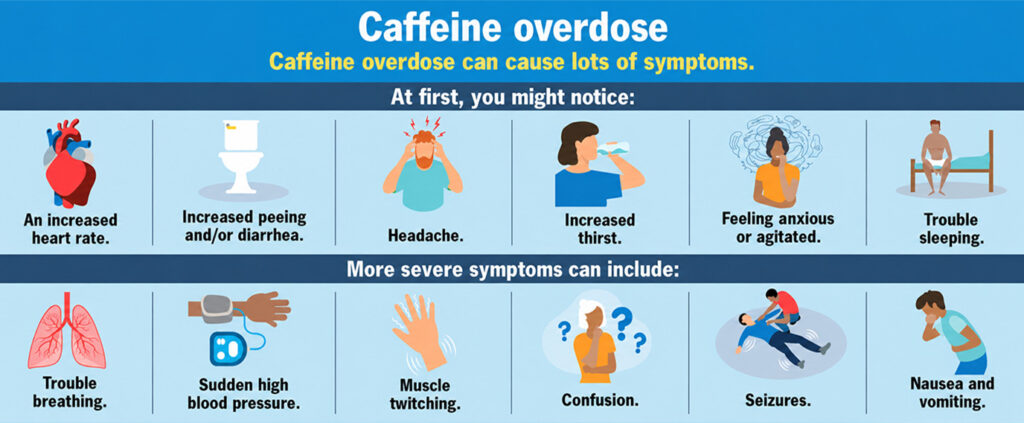
A caffeine overdose happens when you take in more caffeine than your body can safely handle. It doesn’t always mean a life-threatening emergency. Depending on how much caffeine you consume and how sensitive you are to it, you may experience mild or more serious symptoms.
Mild symptoms may include:
- Restlessness or nervousness
- Anxiety
- Rapid heartbeat
- Shakiness or jitters
- Trouble sleeping
In more serious cases, consuming a very large amount of caffeine can cause symptoms such as:
- Irregular heartbeat
- Vomiting
- Confusion
- Seizures
If you want to know exactly how much caffeine is too much in a day, you can refer to the table below.
| Source | Approximate Caffeine |
| Coffee (8 oz) | 80 – 120 mg |
| Energy drink | 80 – 200 mg |
| Black tea | 40 – 70 mg |
| Caffeine pouch | 25 – 200 mg |
| Pre-workout supplement | 150 – 300 mg |
4. Are Caffeine Pouches Bad for Your Gums?
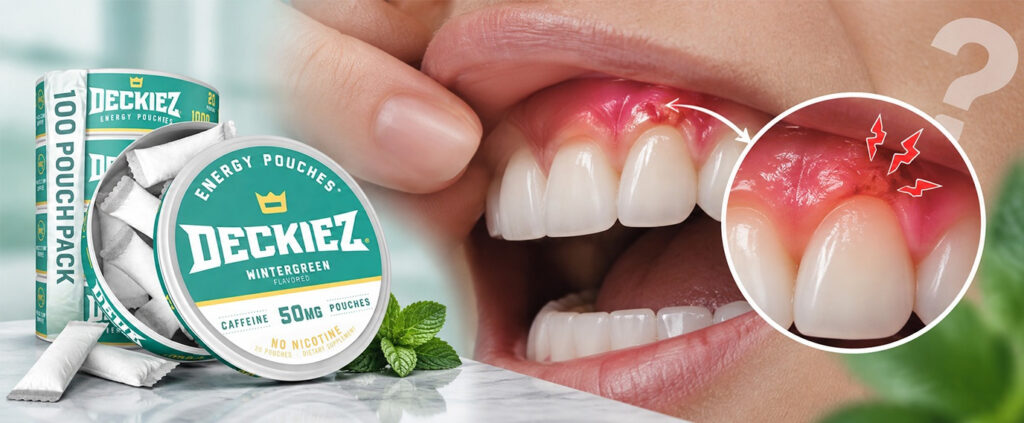
Currently, there is insufficient evidence to prove that nicotine caffeine pouches cause gum recession, and further research is needed regarding their long-term effects on oral health. Since caffeine chew pouches are in prolonged contact with the same area, they may cause gum irritation, soreness, dry mouth, or sensitivity.
Since caffeine lip pouches look and work much like nicotine pouches, you may worry about whether they can cause similar problems in your mouth. Research on nicotine pouches has reported issues such as white lesions, inflammation, tissue thickening, swelling, and dilated capillaries in areas where the pouch is placed.
But here’s the important part: we can’t assume caffeine pouches have the same effects. Caffeine pouches and nicotine pouches contain different active ingredients and affect the body differently. Nicotine is an addictive stimulant, while caffeine primarily acts as a central nervous system stimulant.
5. How to Use Caffeine Pouches?
Using a caffeine pouch is simple. Just follow these steps:
Step 1: Choose Your Strength
Check the caffeine content and start with a lower-strength pouch if you’re new to them.
Step 2: Place It Under Your Lip
Place one pouch between your upper lip and gum.
Step 3: Leave It in Place
Keep the pouch in for the time recommended by the manufacturer. Remove it if you experience irritation or discomfort.
Step 4: Remove and Dispose
Take out the pouch and throw it away after use.
Step 5: Watch Your Caffeine Intake
Keep track of your total daily caffeine intake, especially if you also drink coffee, tea, or energy drinks.
6. How Old Do You Have to Be to Buy Caffeine Pouches?
Caffeine pouches are not recommended for everyone. Children and teenagers, pregnant women, and people with heart conditions, high blood pressure, or caffeine sensitivity should be cautious when using them. Pregnant women should limit their total caffeine intake to under 200mg per day. If you already consume caffeine from coffee, energy drinks, tea, or other sources, remember to include caffeine pouches in your daily total to avoid consuming too much.
7. Summary
Energy pouches will not kill you, but they are not entirely risk-free either. The real concerns lie in total caffeine intake and the potential effects of prolonged contact with the gums.
FAQ
1. Is Caffeine Bad When Sick?
It may worsen dehydration, stomach issues, or sleep problems.
2. What is the Difference Between Caffeine Snus and Traditional Snus?
Caffeine snus contains caffeine, while traditional snus contains tobacco and nicotine.
3. Where to Buy Caffeine Pouches?
They’re available online and at some convenience or specialty stores.
4. Do Caffeine Pouches Have Nicotine?
No. They are typically nicotine-free.