If vaping makes you cough, you are not alone. Vape cough is something many vapers experience, whether they are new to vaping or have been vaping for years.
It is especially common among people switching from cigarettes because vaping feels different from smoking. The vapor, throat hit, and inhalation style all feel different from smoking a cigarette, so your throat and airways may need time to adjust. However, vape cough is not only a beginner issue — experienced vapers may also experience coughing after changing devices, e-liquids, nicotine strength, coils, or vaping habits.
So why do vapes make you cough? In most cases, there is no single cause. Factors like your vaping style, nicotine strength, e-liquid ingredients, device settings, or even throat dryness can all play a role.
In this guide, we will explore the most common causes of vape cough and share practical tips on how to not cough when vaping.
Table of Contents
What Is Vape Cough?
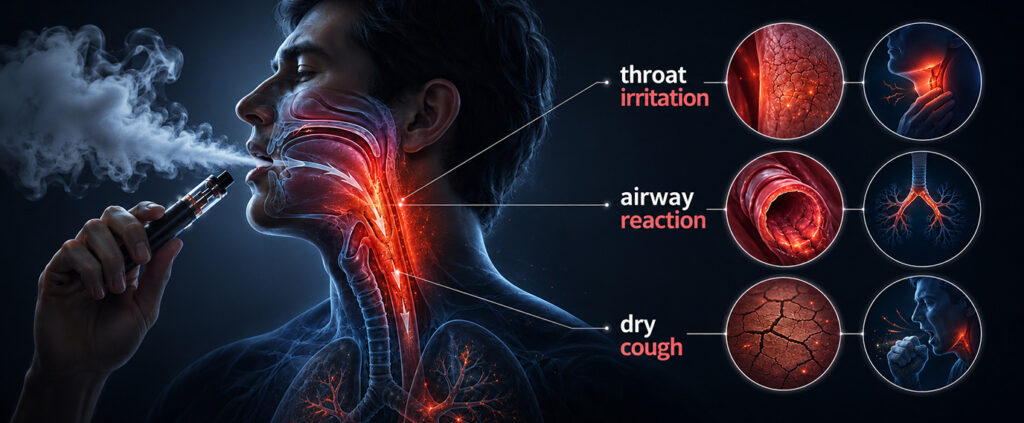
Vape cough refers to coughing or throat irritation that happens during or after vaping. It is usually your body’s natural response when your throat or airways react to something you inhale.
It may feel like a dry cough, scratchy throat, or the need to clear your throat after taking a puff. It is common when you first start vaping, switch from smoking, or change your device (e.g, disposable vapes), e-liquid, or nicotine strength.
In most cases, vape cough means your vaping setup or habits may need some adjustment.
Why Do Vapes Make Me Cough? 8 Main Causes
(1) Your Body Is Adjusting to Vaping
One common reason for vape cough is that vaping feels different from smoking. When switching from cigarettes, your throat and airways need time to adjust to vapor, different sensations, and a new inhalation style.
Many new users also inhale too hard or too quickly, which can irritate the throat and trigger coughing.
(2) Your Inhalation Technique Is Not Right
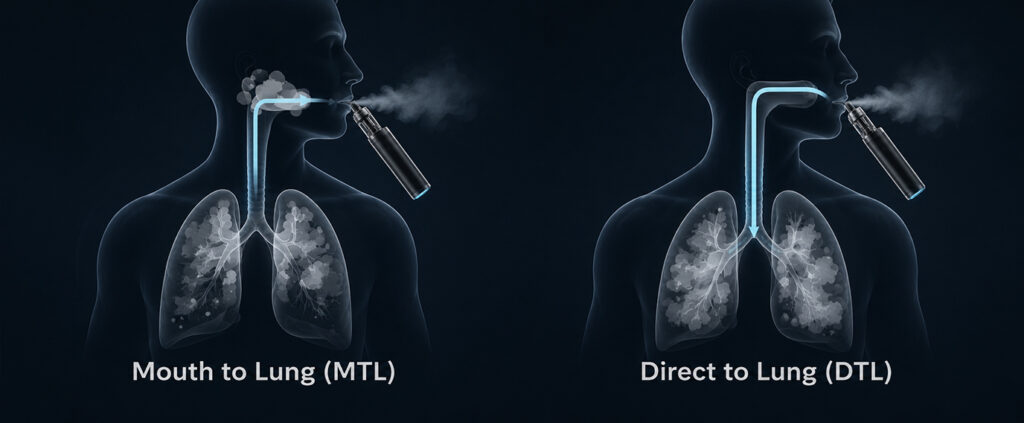
Your vaping style can directly affect whether you cough.
MTL (Mouth-to-Lung) is closer to smoking and is usually better for beginners. You inhale vapor into your mouth first, then into your lungs.
DTL (Direct-to-Lung) delivers more vapor directly into the lungs. Using a powerful DTL device as a cigarette can easily cause coughing.
(3) Nicotine Strength Is Too High
Nicotine level is another common cause of vape cough. Higher nicotine levels create a stronger throat hit, which may feel harsh and trigger coughing, especially for beginners.
The right nicotine strength should provide enough satisfaction without causing excessive throat irritation.
(4) Is Vape Cough One of the Vape Allergy Symptoms?
E-liquid ingredients can also affect how smooth your vape feels.
PG (Propylene Glycol) provides flavor and throat hit, but some vapers may find higher PG e-liquids too dry or irritating.
If your vape feels harsh or makes your throat scratchy, the PG/VG ratio may be a factor.
(5) Your Flavor Is Too Strong
Some flavors can feel more intense and may irritate your throat. They may include menthol or ice flavors, cinnamon, strong citrus flavors, and very sweet flavors.
If a flavor suddenly makes you cough, switching to a smoother option may help.
(6) Your Device Settings Are Not Suitable
Your device setup can also be the cause behind vape cough. A burnt coil, dry hit, or too high wattage can create hot and harsh vapor that irritates your throat.
Using the right coil, power setting, and device type for your vaping habits can make a big difference.
(7) Does Vaping Cause Dehydration?
Vaping can make some vapers feel dryness in their mouth and throat. But does vaping cause dehydration? The answer is more complicated. While vaping itself doesn’t directly cause dehydration, it may contribute to dry mouth and throat irritation.
Ingredients like PG and VG are hygroscopic, meaning they attract moisture. Frequent vaping may contribute to dry throat, scratchy sensations, and coughing.
Staying hydrated and avoiding chain vaping may help reduce irritation and discomfort.
(8) Your Body Is Recovering After Quitting Smoking
If you recently switched from cigarettes, your cough may not always come from vaping.
After quitting smoking, your airways may begin clearing mucus and recovering normal function, which can temporarily increase coughing. This recovery period is common among former smokers and usually improves over time.
How to Stop a Vape Cough? 6 Practical Fixes
Once you understand what causes a vape cough, the next step is finding the right solution. Here are some practical fixes to reduce coughing and make your vaping experience smoother.
(1) Adjust Your Inhalation Technique
One of the most common ways to reduce vape cough is changing how you inhale.
Many new vapers try to vape like smoking a cigarette, but vaping usually requires slower and gentler draws.
For beginners, MTL (Mouth-to-Lung) vaping is often easier because it produces less vapor and feels closer to smoking.
(2) Lower the Right Nicotine Strength
Nicotine strength can have a significant impact on how smooth your vape feels.
Too much nicotine can create a strong throat hit and cause coughing, especially for new vapers.
If your vape feels too harsh, try lowering your nicotine level until you find a more comfortable balance.
(3) Try a Smoother E-Liquid
Your e-liquid ingredients can affect throat comfort. High PG e-liquid may feel stronger and drier, while higher VG e-liquid usually delivers a smoother and softer inhale.
If your vape feels harsh or irritating, try switching to a smoother e-liquid, such as:
- 70VG/30PG e-liquids – smoother on the throat and suitable for many sub-ohm devices.
- 50VG/50PG e-liquids – a balanced option for most beginner-friendly pod systems.
- Nicotine salt e-liquids (e.g., Pod Juice) with a balanced VG/PG ratio – often feel smoother at higher nicotine strengths compared with high-strength freebase nicotine.
Finding the right PG/VG ratio can help reduce throat irritation and make vaping more comfortable.
(4) Check Your Coil and Device Settings
As mentioned earlier, your coil status and device settings can play a role in vape cough. Old coils, dry hits, or wattage that is too high can produce hotter, harsher vapor that may irritate your throat.
Replacing your coil and using the recommended power range can reduce your throat irritation and make your vaping much smoother.
(5) Avoid Irritating Flavors and Stay Hydrated
Some flavors, such as strong menthol, ice, cinnamon, or intense citrus, may feel too harsh for some vapers. So switching to a smoother flavor profile may reduce throat irritation.
Also, staying hydrated and drinking enough water may help reduce dry mouth and throat discomfort caused by frequent vaping.
(6) Give Your Body Time to Adjust
If you recently switched from cigarettes to vaping, your body may need time to adapt.
Your throat and airways are adjusting to a different vaping experience, and former smokers may experience temporary coughing during this recovery period.
For many vapers, vape cough improves over time with the right adjustments and a proper vaping technique.
Can Vaping Cause Popcorn Lung or Lung Damage?
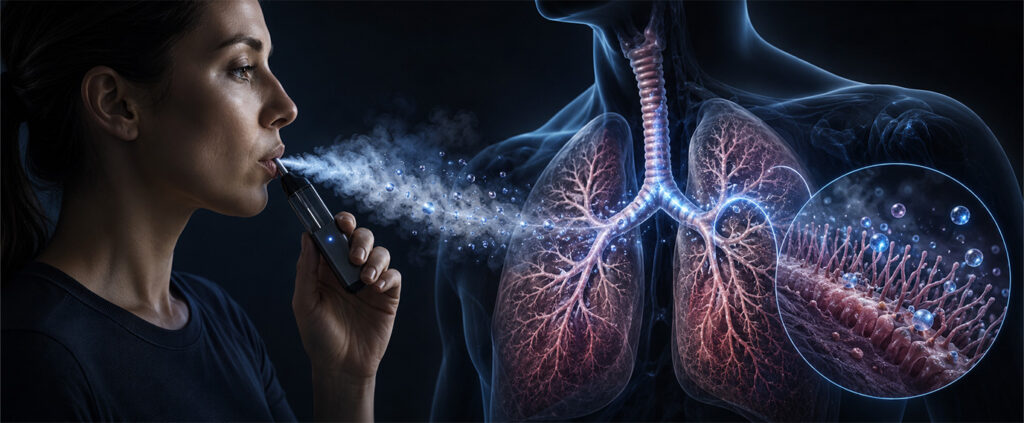
Many vapers search for terms like “popcorn lung vaping ” because they worry that coughing after vaping means their lungs are being damaged.
The truth is, a vape cough does not automatically mean lung damage. In many cases, it is caused by temporary throat or airway irritation from factors such as:
- Wrong inhalation technique
- High nicotine strength
- PG sensitivity or harsh e-liquid
- Unsuitable device settings
(1) Can Vaping Cause Popcorn Lung?
A common concern among vapers is: “Can vaping cause popcorn lung?”
Popcorn lung (bronchiolitis obliterans) is a rare and serious lung condition that has been linked to high levels of certain chemicals, including diacetyl, especially in workplace environments.
The current evidence does not show that vaping causes popcorn lung. However, this does not mean vaping is completely risk-free. Nicotine use, vapor exposure, and individual sensitivity may affect users differently.
(2) How to Tell if Vaping Has Damaged Your Lungs?
Many vapers have questions about vaping and lung inflammation and injury, especially when they experience coughing after vaping. However, a cough alone cannot tell whether vaping has damaged your lungs.
Vape cough is often caused by temporary throat or airway irritation, especially if it improves after adjusting your vaping habits or giving your body time to adapt. If the cough improves over time or after making simple adjustments, it is more likely related to irritation rather than a serious lung problem.
Signs that may require more attention include symptoms that do not improve, continue to worsen, or affect your normal breathing, such as:
- Persistent cough that does not go away
- Shortness of breath or difficulty breathing
- Chest pain or tightness
- Coughing blood
These symptoms cannot confirm lung damage on their own, but they are signs that you should seek medical advice for proper evaluation.
Final Thought
Vape cough is a common vaping symptom, especially for new vapers and those switching from cigarettes. In most cases, it is related to temporary throat or airway irritation, vaping habits, or your device and e-liquid setup.
Understanding the common causes and practical fixes for vape cough can help you make better adjustments and create a smoother vaping experience. Simple changes, such as using the right inhalation technique, choosing a suitable nicotine strength, and maintaining your device properly may help reduce coughing. Hopefully, this guide about vaping health helps you make the right adjustments and find a smoother vaping experience that works for you.
FAQs about Vape Cough
Q1: Why does my vape make me cough?
Vaping can make you cough because your throat and airways may react to vapor, nicotine strength, e-liquid ingredients, flavor intensity, or your inhalation style. New vapers often experience coughing while their body adjusts.
Q2: How long does vape cough last?
The duration varies from person to person. For many users, vape cough improves after adjusting their inhalation technique, nicotine strength, e-liquid, or device settings.
Q3: Does vaping cause dehydration?
Vaping does not directly cause dehydration, but ingredients like PG and VG are hygroscopic and may contribute to dry mouth or throat irritation. Staying hydrated may help reduce discomfort.
Q4: Can vaping cause popcorn lung?
Current evidence does not show that vaping causes popcorn lung (bronchiolitis obliterans). This condition has mainly been linked to high-level chemical exposure in certain workplace environments.
Q5: How to get rid of a dry cough from vaping?
To reduce vape cough, try using a smoother inhalation technique, lowering nicotine strength, adjusting your PG/VG ratio, replacing old coils, choosing milder flavors, and staying hydrated.