In 2026, cannabis effects are better understood through chemical composition rather than strain names or THC percentage alone. Two products with the same THC level can produce noticeably different experiences.
The reason is that THC does not act in isolation. Instead, the overall experience is shaped by a complex combination of cannabinoids, terpenes, and their interaction with the endocannabinoid system (ECS).
This is why one high-THC product may feel relaxing and body-heavy, while another feels uplifting, clear-headed, or mentally stimulating.
This guide explains why THC feels different across products, and how cannabinoids and terpenes work together to shape the cannabis experience.
Table of Contents
Why THC Feels Different
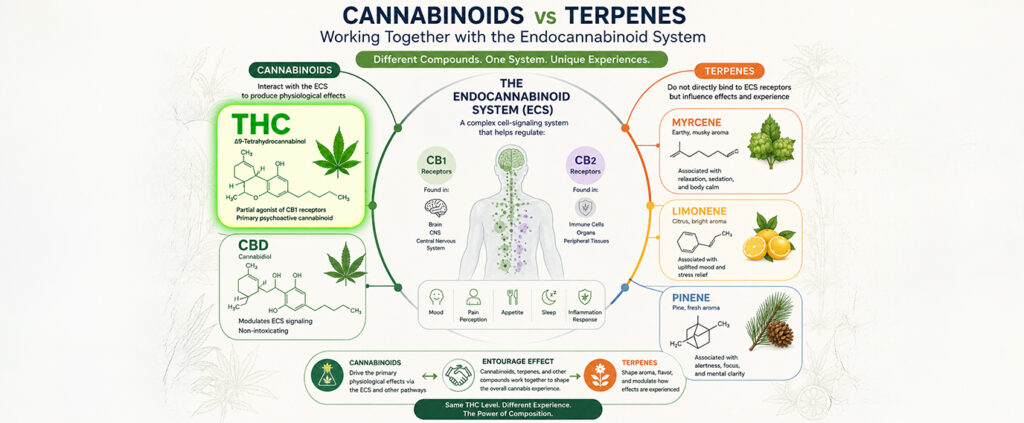
THC (Δ9-tetrahydrocannabinol) is the primary psychoactive cannabinoid that acts as a partial agonist of CB1 receptors in the brain and central nervous system.
However, THC concentration alone does not fully predict how a cannabis product will feel. Two products with identical THC percentages may create very different experiences because they contain different cannabinoid and terpene profiles.
In most cannabis products:
- Cannabinoids (including THC) contribute the core pharmacological effects
- THC produces psychoactive activity through CB1 receptor partial agonism
- Terpenes may influence how THC effects are perceived and experienced
Cannabinoid–Terpene Interaction Examples:
- THC + Myrcene: stronger sedative, body-heavy relaxation, commonly associated with “couch-lock” effects
- THC + Limonene: more uplifting, mood-enhancing, and psychologically bright experience
- THC + Pinene: improved alertness, mental clarity, and reduced cognitive fog
As a result, the overall experience depends on much more than THC percentage alone.
Cannabinoids vs Terpenes: Key Differences
The difference between cannabinoids and terpenes is both structural and functional:
- Cannabinoids are bioactive compounds that influence the endocannabinoid system through direct receptor binding, indirect modulation, or other signaling pathways.
- Terpenes are volatile aromatic compounds that do not strongly bind cannabinoid receptors but influence perception and modulate cannabinoid effects through indirect mechanisms.
In simple terms, cannabinoids generally drive the primary physiological effect, while terpenes help shape the sensory and experiential profile.
What Are Cannabinoids
Cannabinoids are several structural classes of compounds found primarily in the Cannabis plant or as synthetic compounds. In cannabis, they are commonly classified as major cannabinoids and minor cannabinoids based on their abundance in the plant. They are involved in regulating physiological processes through the endocannabinoid system, including:
- mood regulation
- pain perception
- appetite control
- sleep modulation
Key cannabinoids include:
- THC (Δ9-tetrahydrocannabinol) – partial CB1 receptor agonist responsible for psychoactive effects
- CBD (cannabidiol) – non-intoxicating modulator of ECS signaling pathways
- CBG (cannabigerol) – biosynthetic precursor of major cannabinoids
- CBN (cannabinol) – oxidation product of THC, associated with mild sedation
- THCV – dose-dependent modulation of appetite and cognitive effects
THC is one component of the broader endocannabinoid system (ECS), and its effects are shaped by interactions with other cannabinoids and ECS signaling pathways.
What Are Terpenes
Terpenes are a diverse class of naturally occurring organic compounds found in cannabis and many other plants. They are responsible for producing aroma and flavor profiles and may also influence the overall sensory experience of cannabis products. In addition to their aromatic role, terpenes may indirectly interact with biological pathways that influence perception and overall experience.
Common cannabis terpenes:
- Myrcene – associated with sedative and muscle-relaxing properties
- Limonene – associated with elevated mood and stress reduction
- Pinene – linked to alertness and cognitive clarity
- Linalool – associated with calming effects and relaxation
- β-Caryophyllene – a unique terpene shown to selectively activate CB2 receptors (cannabinoid-like activity)
Together, terpenes contribute to the overall sensory and experiential profile of a cannabis product rather than producing psychoactive effects on their own.
Are Terpenes Cannabinoids
Terpenes and cannabinoids are distinct chemical classes:
- Cannabinoids are terpenophenolic compounds
- Terpenes are isoprene-based hydrocarbons
They differ in structure, receptor interaction, and biological function.
Entourage Effect: How Cannabinoids and Terpenes Work Together
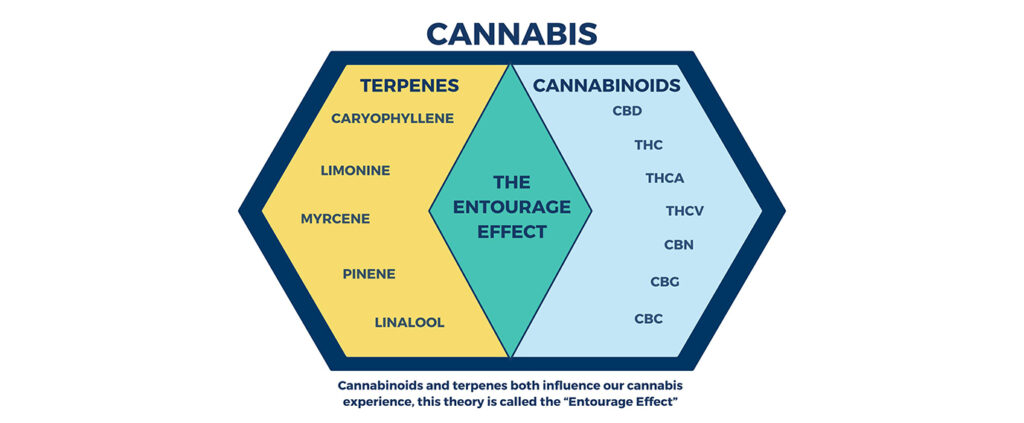
The entourage effect is the hypothesis that cannabinoids, terpenes, and other cannabis compounds may work together to shape the overall cannabis experience.
Current research suggests:
- Some cannabinoid-to-cannabinoid interactions are supported by preclinical evidence, but human clinical validation remains limited.
- Some studies suggest terpenes may influence cannabinoid effects
- The exact mechanisms and clinical significance remain under investigation
While the entourage effect is widely discussed within the cannabis industry, it should be viewed as an evolving scientific hypothesis rather than a fully established fact.
Real-World Applications: Why Delivery Systems Matter
Modern cannabinoid and terpene delivery is most commonly studied and experienced through inhalation-based vaporization systems. These devices do not change THC’s fundamental pharmacology, but they can influence how cannabinoids and terpenes are delivered, preserved, and perceived.
Core inhalation delivery systems include:
- Cannabis vape cartridges (oil-based systems)
- Concentrate vaporizers (e.g., Yocan iCan E-Rig Vaporizer)
- Dry herb vaporizers (flower heating systems)
- Temperature-controlled vaporizers (e.g., Anix Steam Mars Vaporizer)
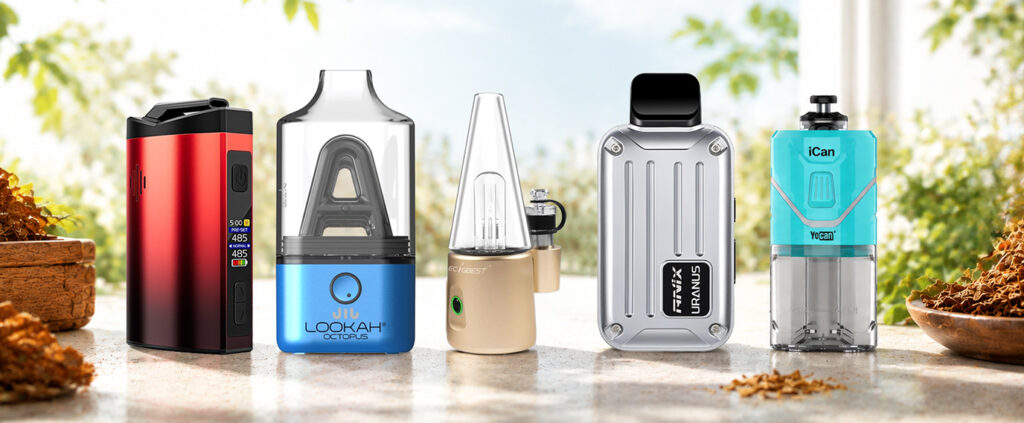
While THC pharmacology remains unchanged, these delivery systems can influence vapor composition, terpene retention, heating efficiency, and overall sensory experience.
In other words, devices do not change THC — they change how THC is experienced.
Conclusion
The reason THC feels different today is not because THC itself changes, but because it is always expressed within a varying chemical environment of cannabinoids and terpenes.
Different combinations of these compounds shape how THC is experienced:
- Cannabinoids contribute to the core physiological effects through the ECS and other biological signaling pathways
- Terpenes contribute to aroma, flavor, and subjective experience
- THC acts as the primary psychoactive driver in most cannabis products, but its effects are often influenced by the surrounding cannabinoid and terpene profile
This is why two products with identical THC levels can produce completely different experiences.
In short, THC feels different because THC percentage is only one part of a much larger cannabinoid–terpene system.
FAQs: Cannabinoids vs Terpenes Explained
Q1: What Is the Difference Between Cannabinoids and Terpenes?
Cannabinoids influence the endocannabinoid system through receptor interactions and other signaling mechanisms, while terpenes mainly contribute aroma and may influence the overall cannabis experience.
Q2: Are Terpenes Cannabinoids?
No. Terpenes and cannabinoids are completely different chemical classes with different structures and biological functions.
Q3: Why Does THC Feel Different between Products?
Because THC is always consumed alongside different combinations of cannabinoids and terpenes, which alter its subjective effects.
Q4: Do Terpenes Change the THC High?
Most terpenes do not directly activate CB1 receptors but may influence perception, mood, and intensity of THC effects through indirect mechanisms.
Q5: What Is the Entourage Effect?
The entourage effect is the hypothesis that cannabinoids and terpenes work together to shape the overall cannabis experience.
Q6: Do Vape Devices Affect Terpene Experience?
Yes, temperature control, coil type, and heating efficiency can influence terpene preservation and cannabinoid delivery. However, they do not directly alter THC’s pharmacological mechanism of action.